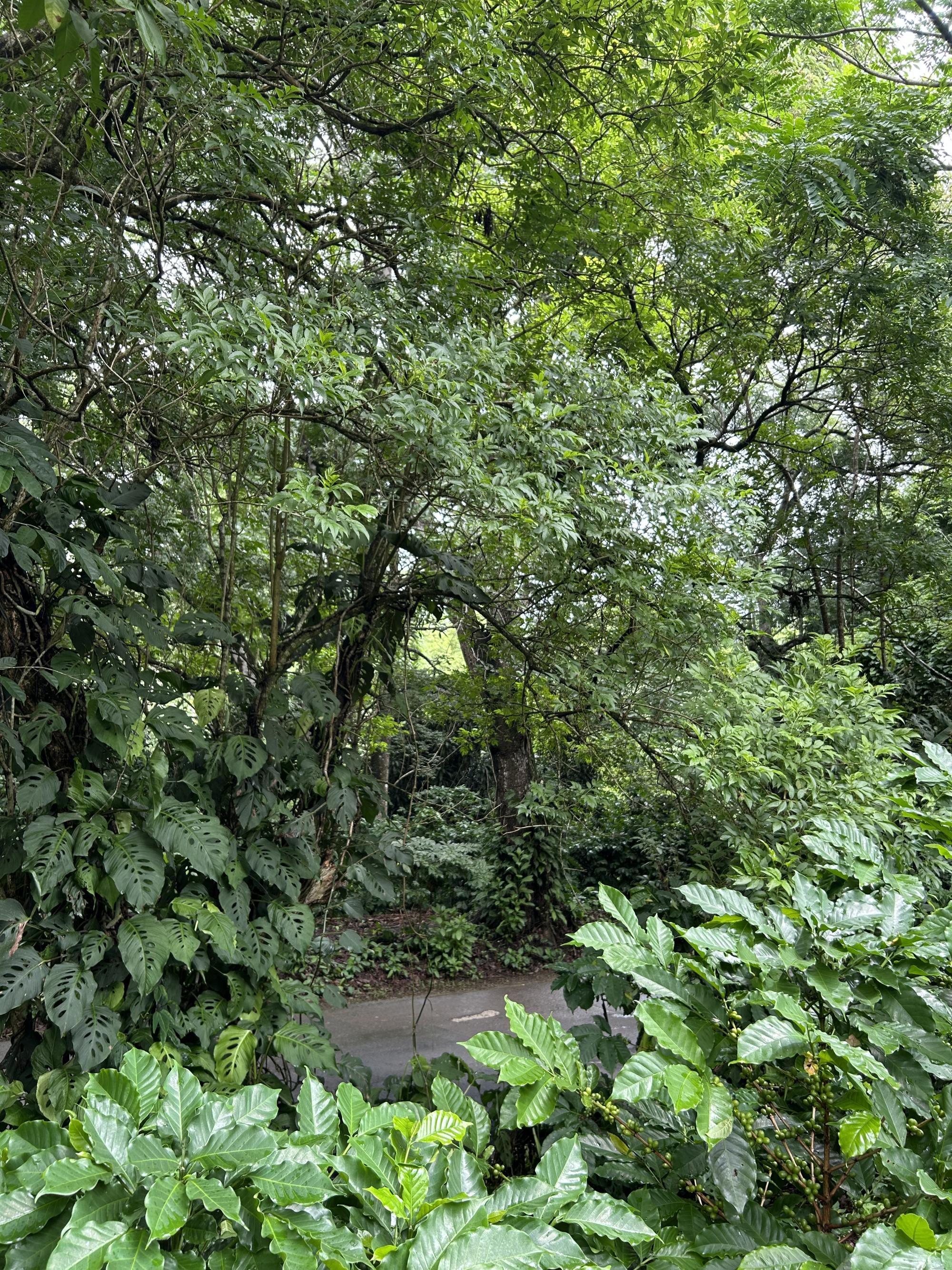
As a child growing up in Pavas, much of my free time was spent exploring the small pieces of nature that survived between streets, vacant lots, coffee fields, and rapidly expanding neighborhoods. At the time, I simply saw plants, insects, birds, and the occasional frog hiding in places most people ignored. Only years later did I begin to understand that many of those organisms were remnants of something much larger. They belonged to an ecosystem that had once covered much of Costa Rica's Central Valley: the humid premontane forest.
Like many people raised in the Greater Metropolitan Area, I grew up surrounded by a landscape that felt completely normal. Cities, roads, farms, neighborhoods, and commercial centers seemed like they had always been there. Yet the more I learned about Costa Rica's ecological history, the more I realized that nearly everything around me had replaced another landscape. Before the coffee plantations, before the suburbs, before the highways and industrial parks, much of this region was dominated by forests that connected the Central Valley to the surrounding mountains and Pacific watersheds.
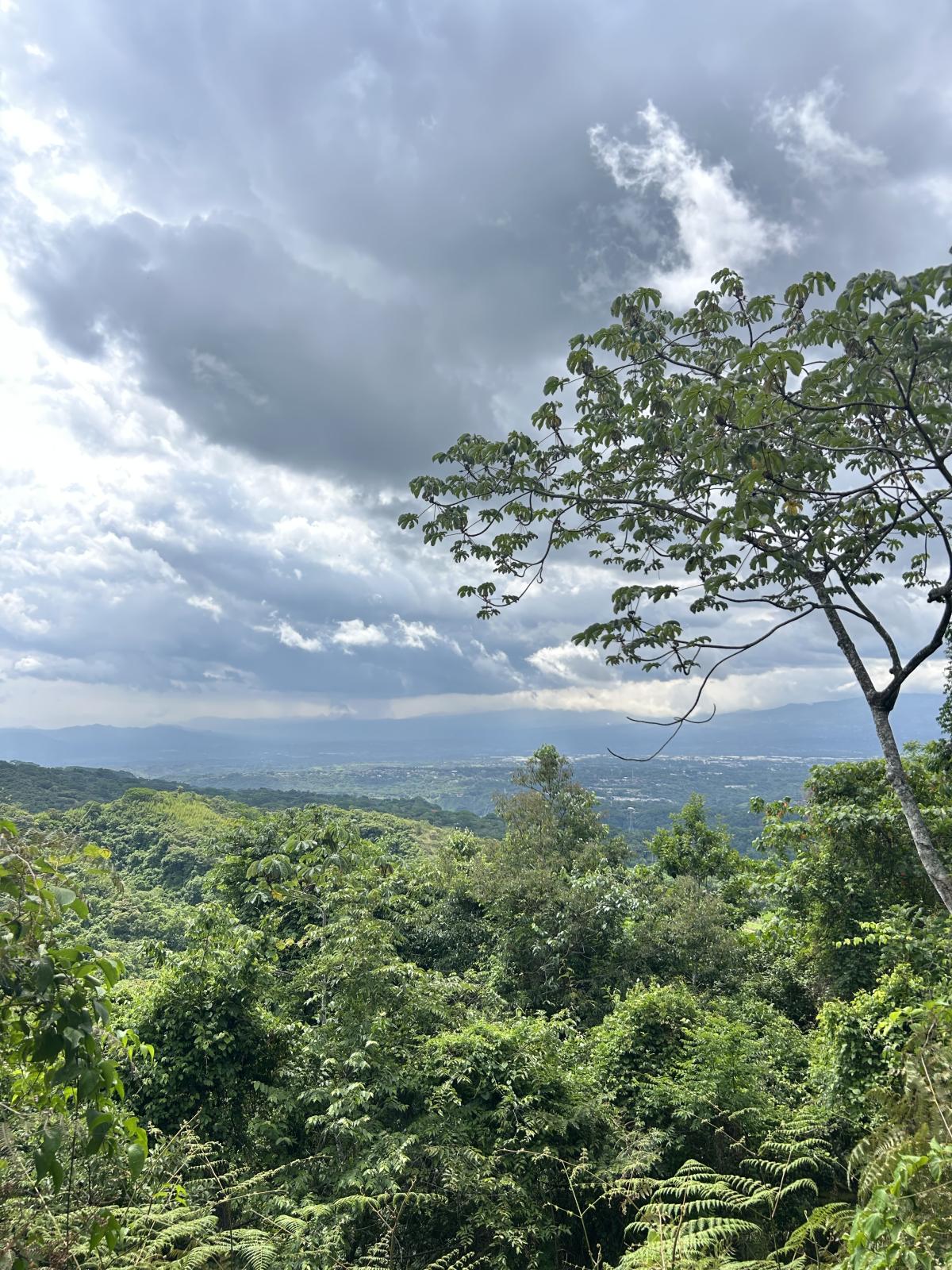
Over the years, I spent countless hours exploring places such as Ciudad Colón, Mora, El Rodeo, Atenas, Puriscal, and the watersheds that descend toward Jaris and the Pacific slope. Those experiences gradually changed the way I looked at the landscape. What appeared on a map as isolated forest patches were actually fragments of a once-continuous ecosystem that had been transformed over generations. Yet despite centuries of change, those forests still persist, carrying with them traces of the ecological relationships that shaped this region long before modern cities existed.
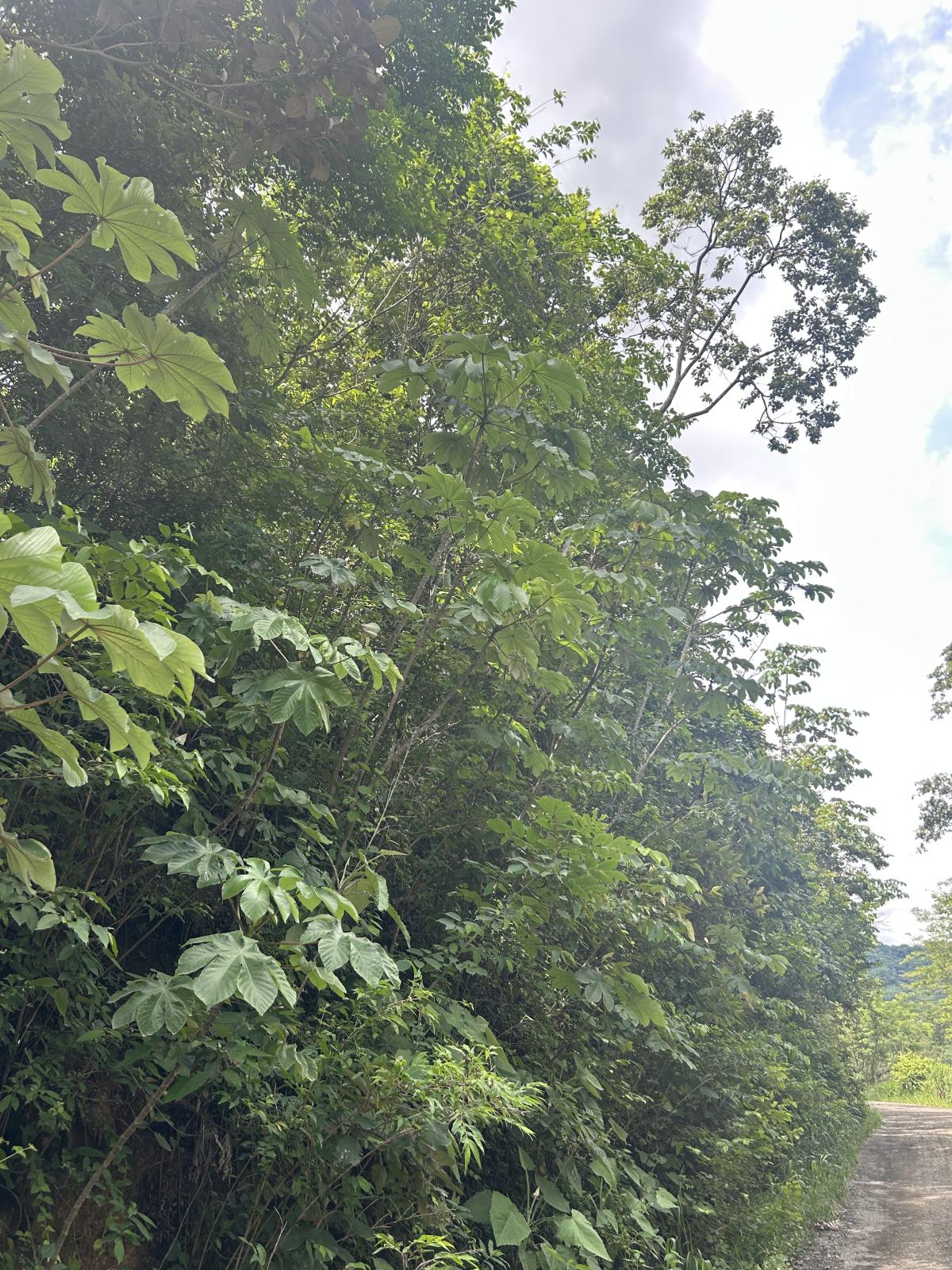
Humid premontane forests occupy a unique position within Costa Rica's ecological mosaic. Located between the warmer lowlands and the cooler highlands, they benefit from moderate temperatures, reliable rainfall, fertile soils, and remarkable biological diversity. These conditions support an extraordinary variety of plants, insects, amphibians, birds, and other organisms that have evolved together over thousands of years.
Ironically, the same characteristics that make these forests biologically rich also made them attractive for human settlement. Fertile soils encouraged agriculture. Favorable climates supported coffee cultivation. Access to water and relatively gentle topography facilitated the growth of towns and cities. Over time, the forests that once dominated much of the Central Valley were gradually replaced by agricultural landscapes and urban infrastructure.
This transformation was not unique to Costa Rica. Similar processes occurred throughout the tropics. What makes the Central Valley particularly interesting, however, is that many of the ecological processes associated with the original forest still survive around us, often hidden in small fragments that most people pass by without noticing.Today, some of the best remaining examples of humid premontane forest can still be found in areas such as El Rodeo, the hills surrounding Ciudad Colón and Mora, the upper watersheds of Puriscal, and the forested landscapes that gradually connect the Central Valley with the Pacific region. While these remnants represent only a fraction of the ecosystem's former extent, they continue to serve as reservoirs of biodiversity and ecological memory.
Walking through these forests reveals something that satellite imagery cannot fully capture. Beneath the canopy, ecological interactions continue to unfold much as they have for centuries. Seeds are dispersed. Pollinators move between flowers. Amphibians reproduce in streams. Birds transport fruits across the landscape. Even in relatively small fragments, the forest remains alive and functional.
Many conservation conversations understandably focus on protecting these remaining areas. Protecting them is essential. Yet I believe that if we stop the conversation there, we miss one of the greatest opportunities facing conservation in Costa Rica today.
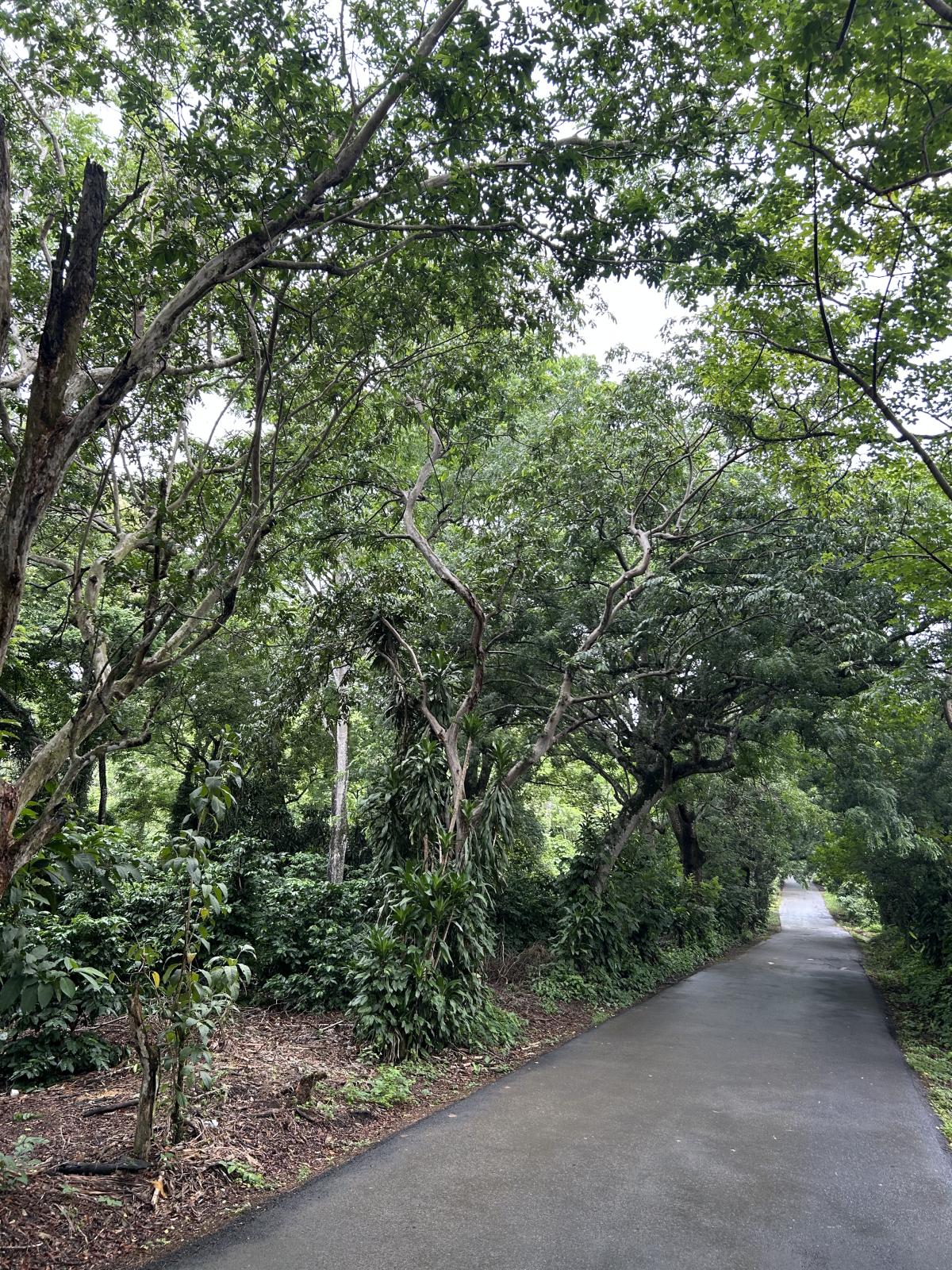
Today, some of the best remaining examples of humid premontane forest can still be found in areas such as El Rodeo, the hills surrounding Ciudad Colón and Mora, the upper watersheds of Puriscal, and the forested landscapes that gradually connect the Central Valley with the Pacific region. While these remnants represent only a fraction of the ecosystem's former extent, they continue to serve as reservoirs of biodiversity and ecological memory.
Walking through these forests reveals something that satellite imagery cannot fully capture. Beneath the canopy, ecological interactions continue to unfold much as they have for centuries. Seeds are dispersed. Pollinators move between flowers. Amphibians reproduce in streams. Birds transport fruits across the landscape. Even in relatively small fragments, the forest remains alive and functional.
Many conservation conversations understandably focus on protecting these remaining areas. Protecting them is essential. Yet I believe that if we stop the conversation there, we miss one of the greatest opportunities facing conservation in Costa Rica today.
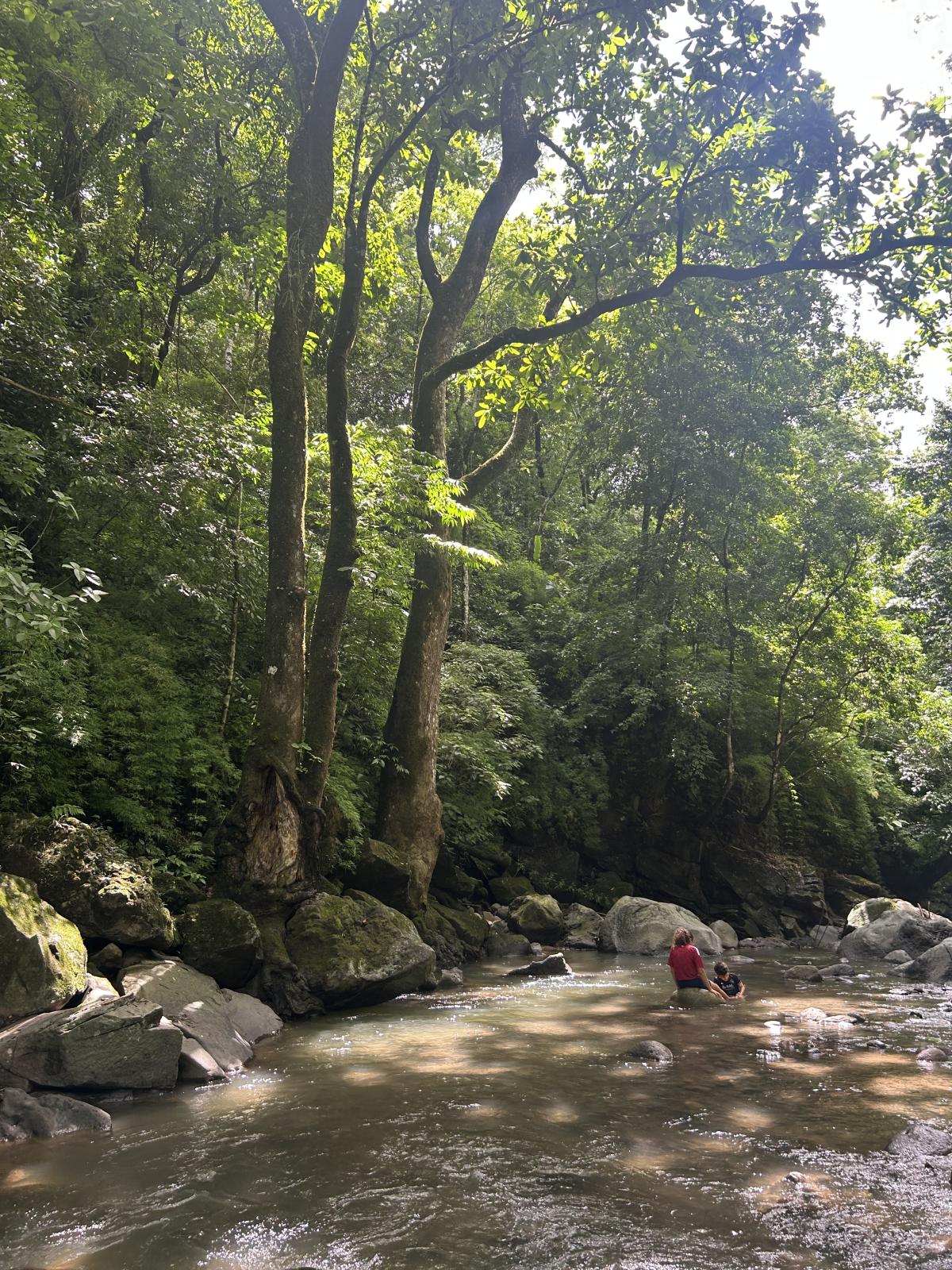
For decades, conservation has often been framed as the protection of places where nature still exists. National parks, biological reserves, wildlife refuges, and protected areas have been enormously successful in preventing the complete loss of many ecosystems. Costa Rica's conservation story would be impossible without them.
Yet when I look at the future of the Central Valley, I find myself asking a different question. What happens in the vast spaces between those protected areas?
What happens in neighborhoods, schools, hotels, office parks, residential developments, and private gardens? What happens in the millions of square meters that are neither pristine forest nor formally protected land?
These spaces are often dismissed as ecologically insignificant. In reality, they may represent one of the largest opportunities for ecological restoration available to us.
This idea connects directly with the concept of the Gardenification of Conservation. If protected areas serve as reservoirs of biodiversity, then human-dominated landscapes can serve as the connective tissue that allows ecological processes to extend beyond park boundaries. Conservation does not need to stop where cities begin.
One of the most valuable lessons I have learned through decades of growing native plants is that ecological relationships are remarkably resilient. Given the right conditions, they often begin rebuilding themselves.
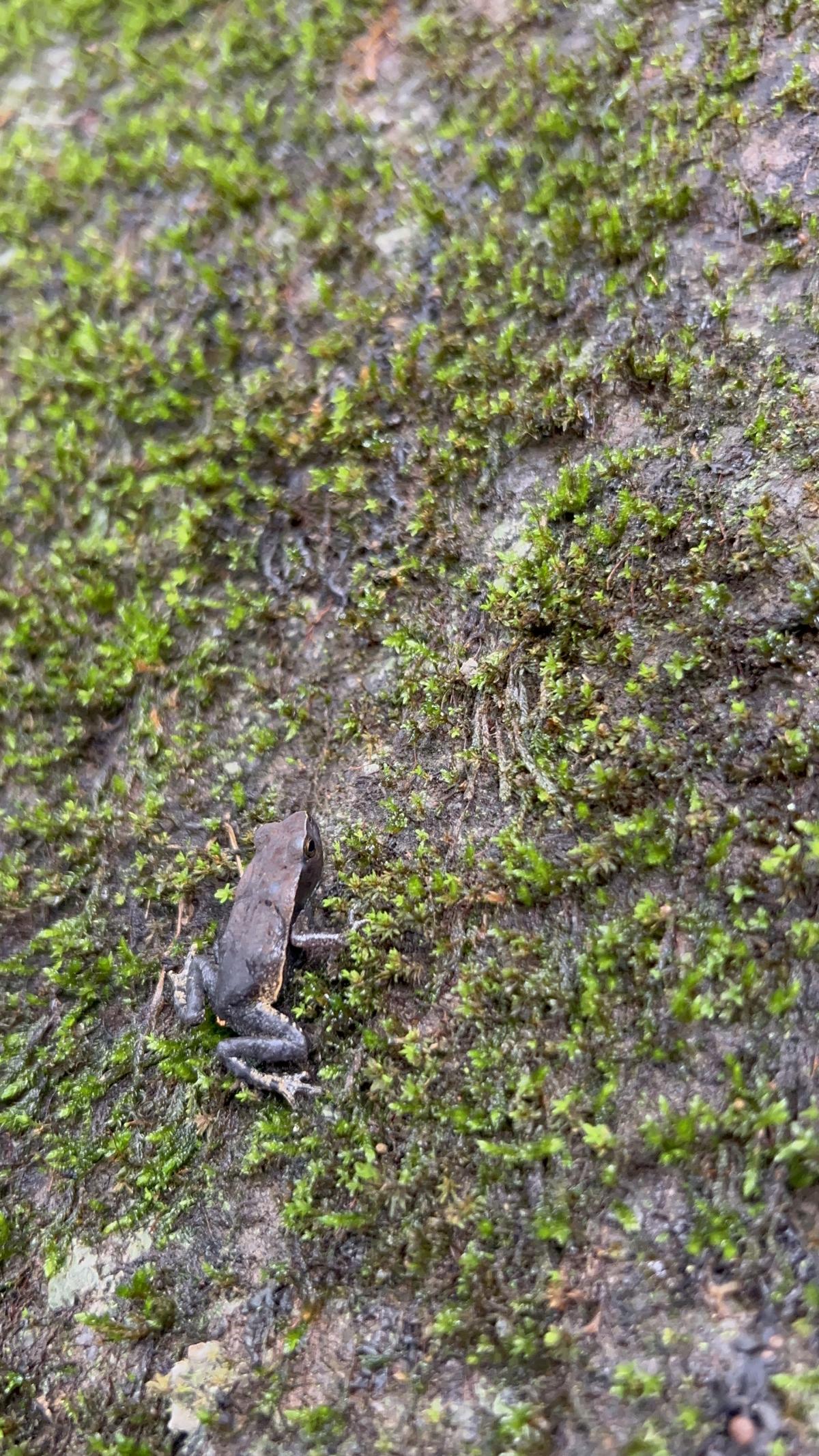
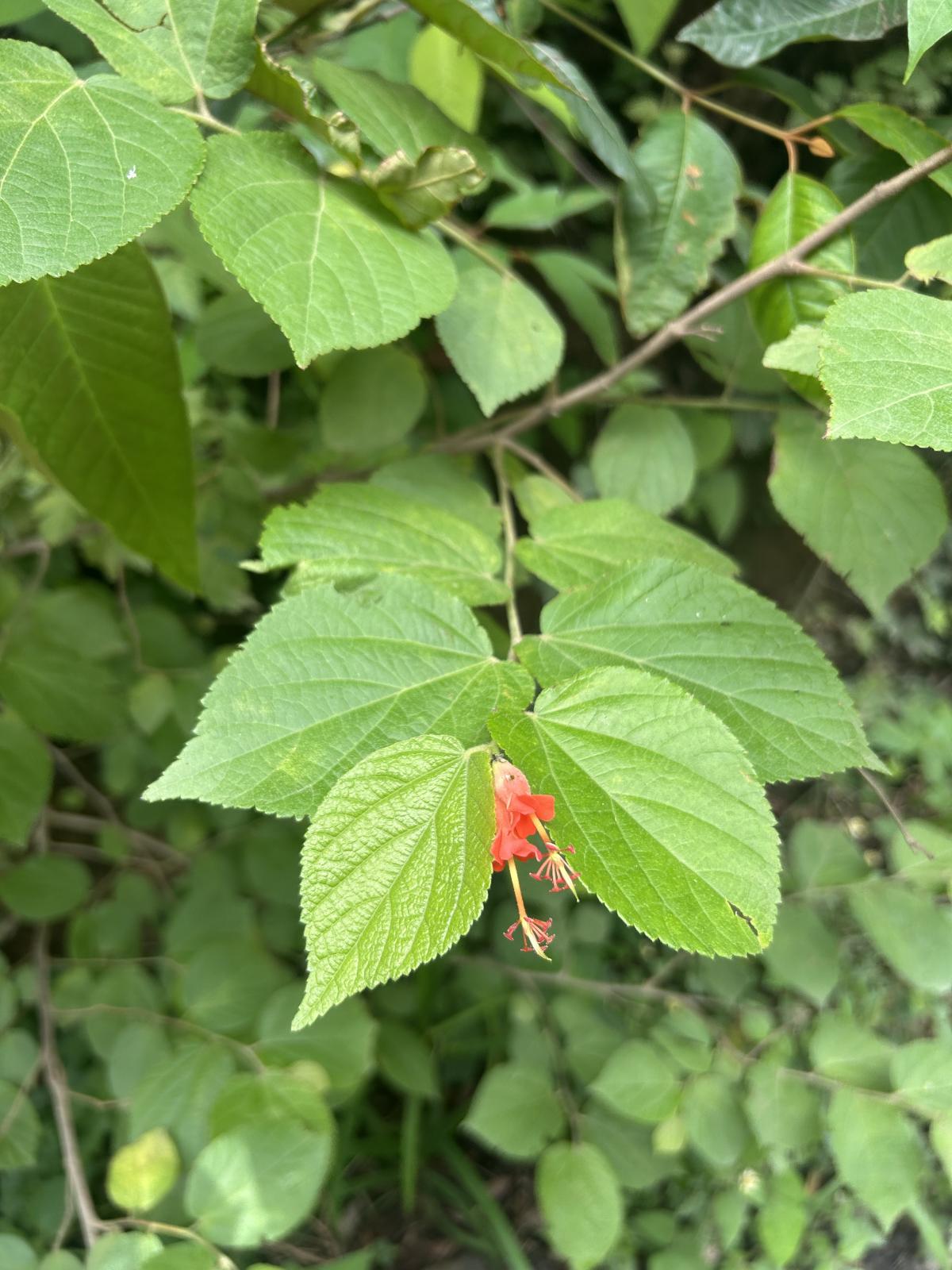
I have seen butterflies appear shortly after planting native host species. I have watched pollinators discover flowers that had been absent from an area for years. I have observed birds feeding on native fruits in urban gardens and amphibians colonizing small water features surrounded by vegetation.
None of these observations suggest that a garden can replace a forest. It cannot. But they do demonstrate that biodiversity responds when habitat becomes available.
A landscape does not need to be completely wild to support life. It simply needs to provide opportunities for ecological interactions to occur.
When multiplied across an entire city, these opportunities can become surprisingly significant.
Urban expansion toward the western portion of the Central Valley is already underway. Communities such as Ciudad Colón, Mora, Atenas, Puriscal, and the surrounding watersheds continue attracting new residents, new infrastructure, and new development.
Many people view this process as an inevitable conflict between growth and conservation. I am not convinced that it has to be.
The question is no longer whether these regions will be inhabited. The question is how they will be inhabited.
Will development continue to simplify landscapes and disconnect people from the ecosystems around them? Or can we create communities that actively incorporate biodiversity into their design?
Native vegetation, ecological corridors, living architecture, green infrastructure, and functional tropical landscapes all offer practical ways to reconnect development with ecological processes. Rather than treating nature as something separate from human settlements, we can begin designing settlements that function as extensions of the surrounding ecosystem.
That shift in perspective may be one of the most important conservation opportunities of the coming decades.
When people think about conservation in Costa Rica, they often imagine national parks, cloud forests, remote beaches, and protected wilderness. Those places deserve every effort we invest in protecting them.
But the future of biodiversity will also be influenced by the places where most people actually live.
The future of conservation will be shaped in cities.
In gardens.
In schools.
In business parks.
In residential communities.
In the decisions we make about what we plant and how we design the landscapes around us.
The humid premontane forest may never return exactly as it existed centuries ago. Too much has changed, and many of those transformations are irreversible. Yet that does not mean its story is over.
Its species can return.
Its ecological functions can return.
Its relationships can return.
Most importantly, our connection to that ecosystem can return.
Perhaps that is the real challenge before us. Not recreating the past, but allowing the forest that once shaped the Central Valley to help shape its future once again.