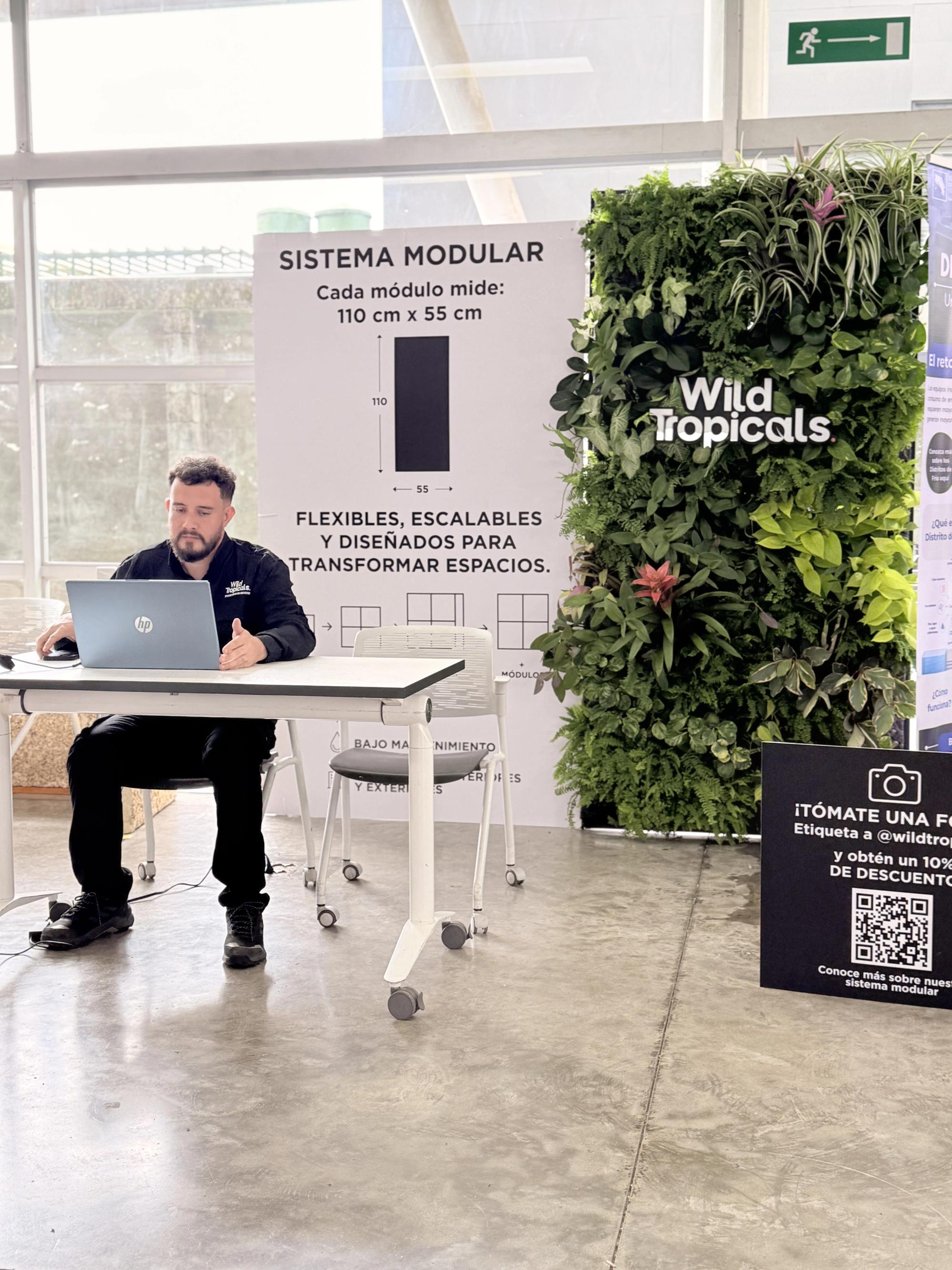
After spending much of the past year writing about forests, native plants, biodiversity, and the relationship between conservation and human landscapes, I found myself standing in front of a wall again. This time, however, the wall was not a metaphor.
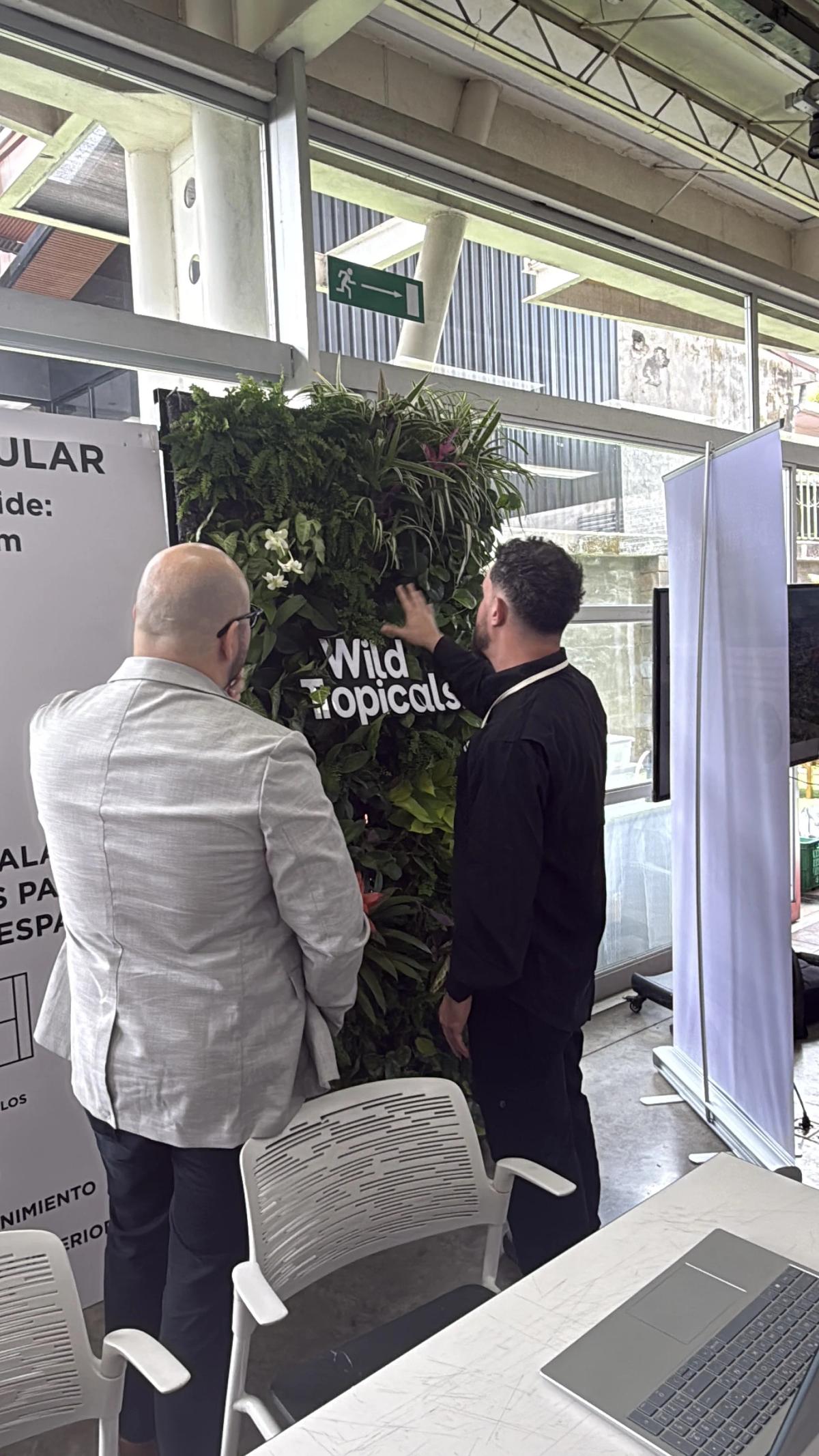
It was a temporary structure at the International Congress of Sustainable Cities in Costa Rica. Over the course of the event, that structure became a modular living wall built by Wild Tropicals, covered with tropical vegetation and surrounded by conversations about architecture, construction, innovation, and the future of the cities we inhabit.
For me, that experience represented something more significant than simply exhibiting a product. It brought together many of the ideas that have been shaping the direction of this blog.
How do we bring biodiversity back into human spaces? How can architecture become more ecologically functional? What happens when we stop thinking of vegetation as decoration and begin treating living systems as part of the environments we build?
Sometimes, perhaps, the answer begins with something as simple as a wall.
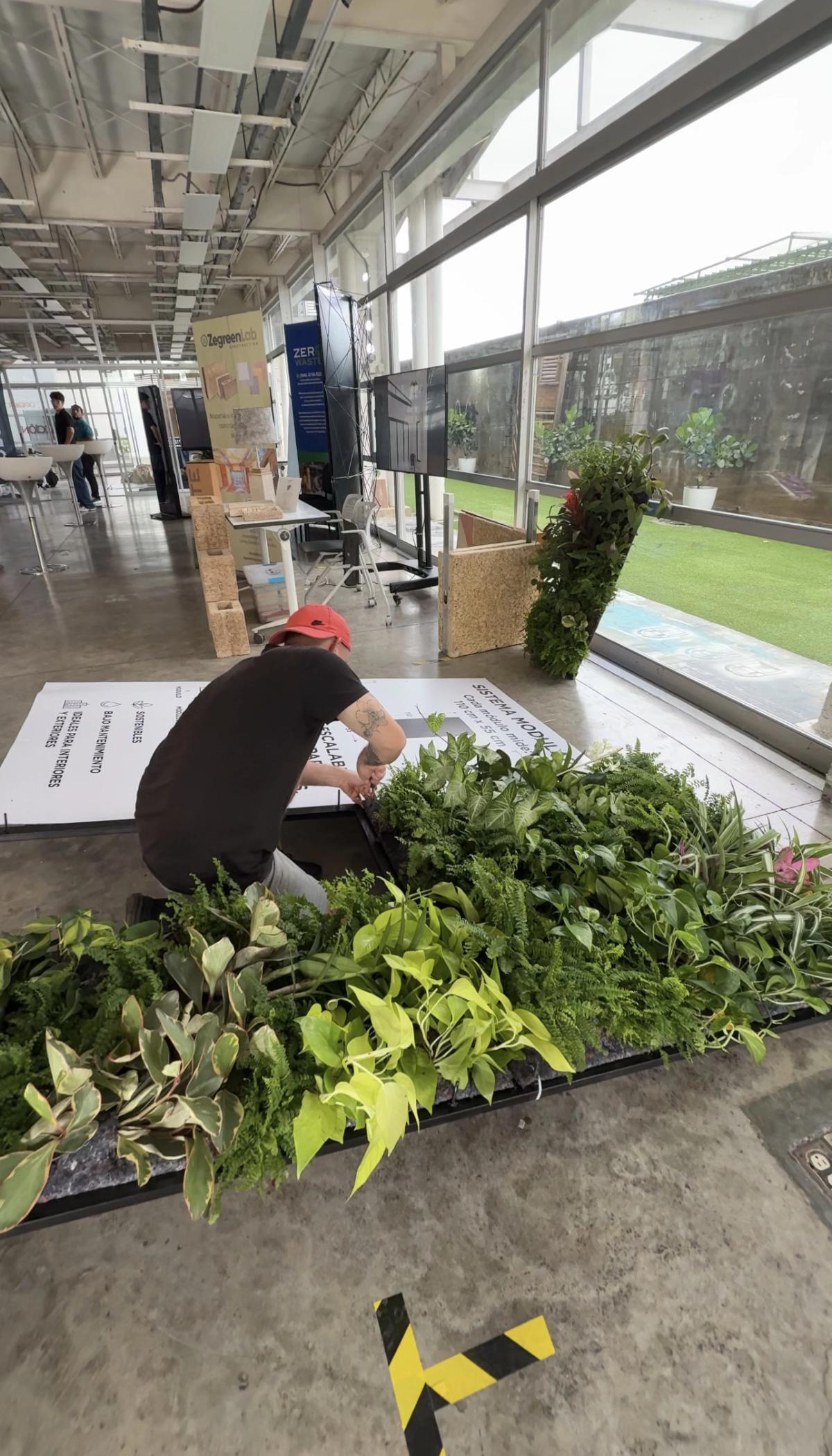
The idea of covering buildings with vegetation is not new. Green walls, vertical gardens, and living facades have become increasingly visible in contemporary architecture. Yet the popularity of these systems has also created a problem: it is easy to reduce them to an aesthetic trend.
A wall covered with plants may look alive, but appearance alone does not make it an ecosystem.
The ecological value of a living wall depends on how it is designed. It depends on the species selected, the structure supporting them, the availability and management of water, the conditions of light and temperature, and the long-term maintenance of the system. Most importantly, it depends on whether the plants are treated as decorative objects or as living organisms with ecological relationships.
This distinction is central to the work we are developing at Wild Tropicals.
Our interest is not simply in putting plants on walls. It is in exploring how living systems can become part of architecture in the tropics.
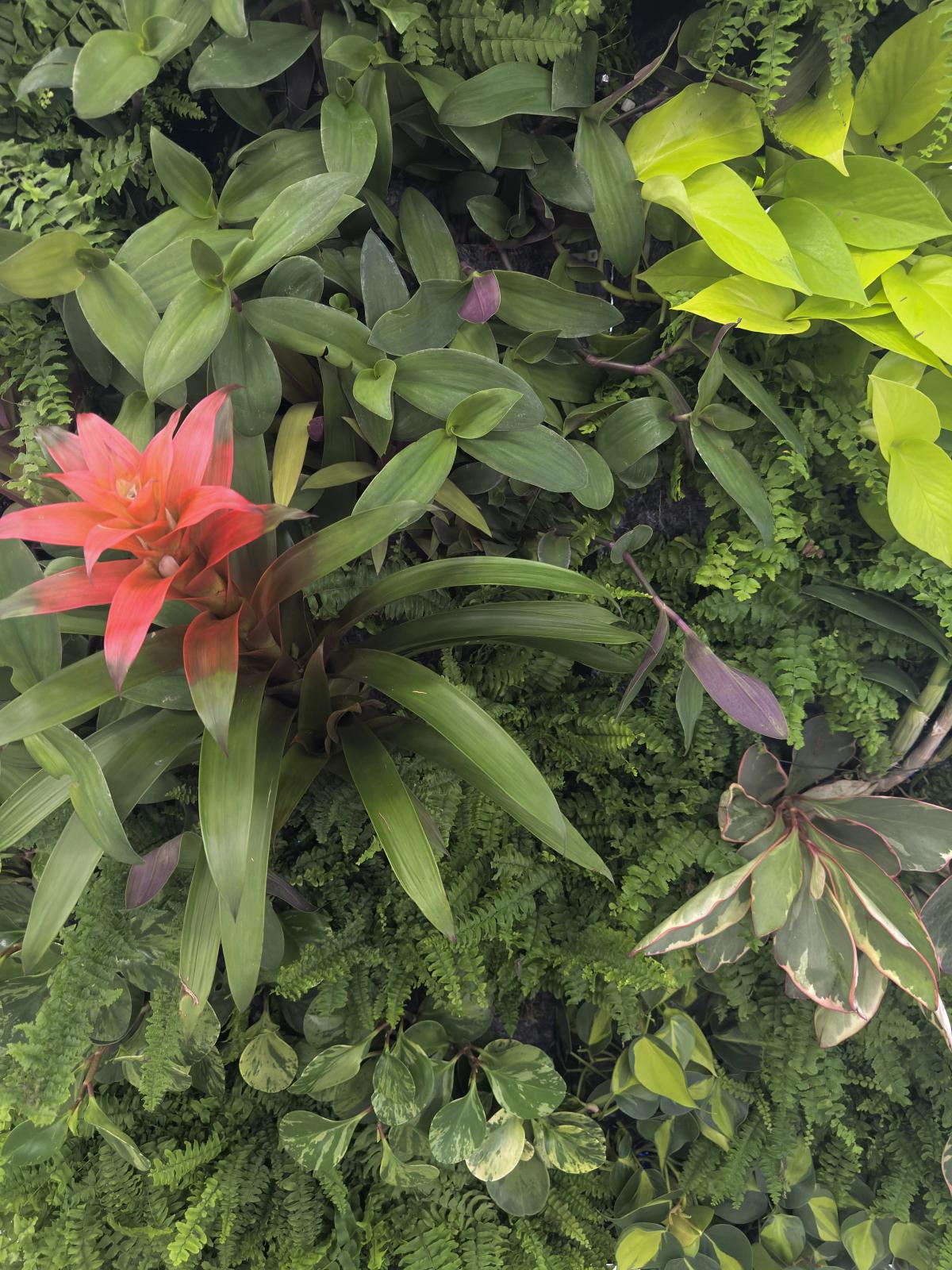
Tropical vegetation behaves differently.
Growth is faster. Moisture is more persistent. Rainfall can be intense. Light conditions change rapidly. Plants compete aggressively for space. Roots explore every available surface. A system designed for a temperate climate cannot simply be copied and expected to perform the same way in Costa Rica.
This is something I have learned repeatedly through years of growing tropical plants and experimenting with living architecture.
The tropics do not need simplified copies of ideas developed elsewhere. They require their own design logic.
That logic begins with biology.
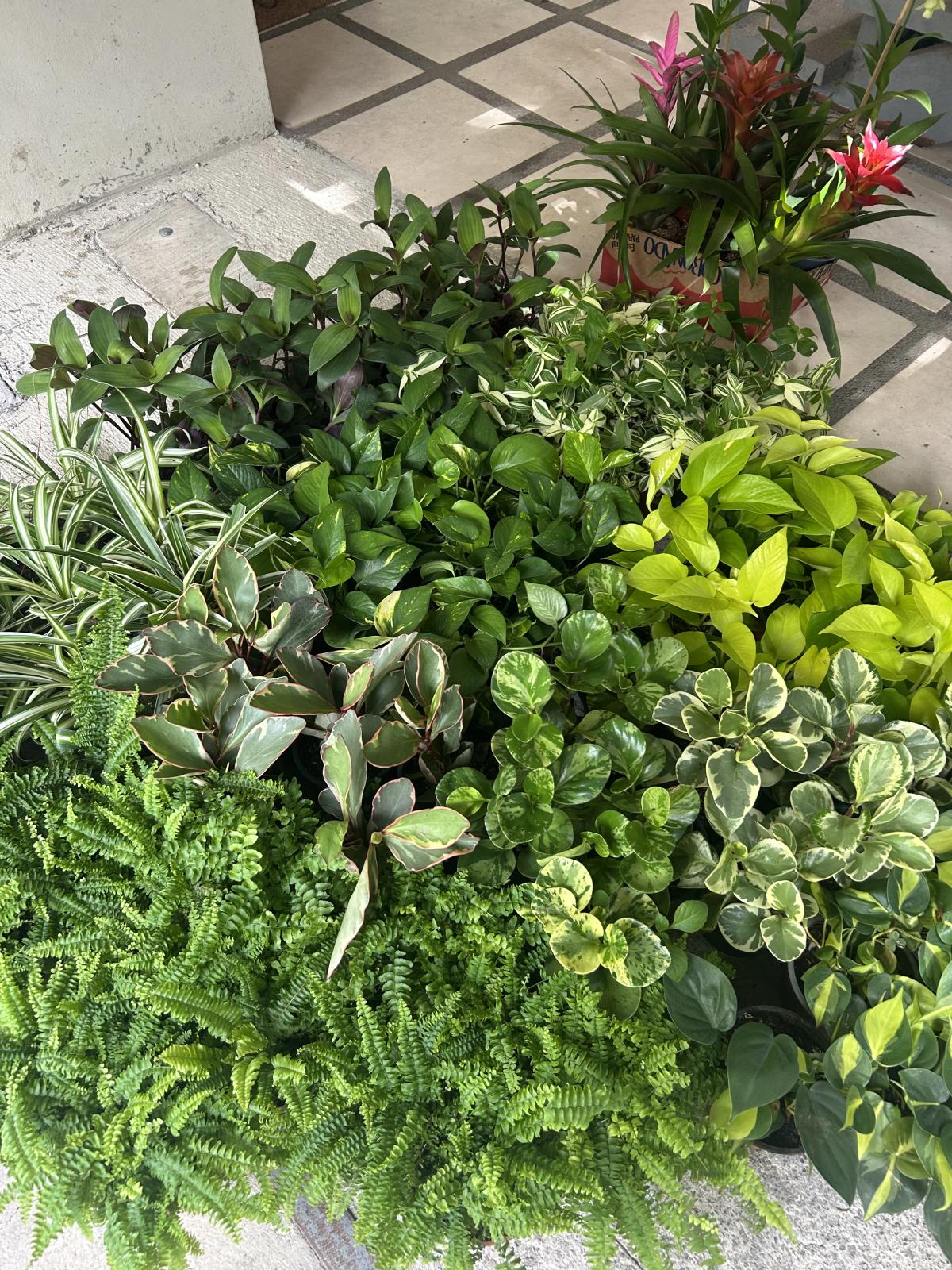
Before considering the appearance of a wall, we need to understand the organisms that will live on it. Which species tolerate exposure? Which species can coexist? How will they respond to prolonged rainfall? How quickly will they grow? What happens when one plant begins to dominate another?
These are biological questions, but they eventually become architectural questions as well.
One of the central ideas behind the installation we presented at CICS was modularity.
If living architecture is going to become part of ordinary buildings and urban spaces, it cannot depend exclusively on systems that are difficult to repair, impossible to modify, or too complex to maintain.
A modular system approaches the wall as a collection of independent living units.
Each module can be installed individually. Plants can be replaced. Sections can be maintained without dismantling an entire wall. The composition can change over time as the vegetation develops.
This does not eliminate the complexity of working with living systems. Plants will always grow, compete, die, and change. But modularity makes that change manageable.
For me, this is also part of what premium design should mean.
Premium does not necessarily mean expensive.
Premium means that something works.
A living wall should not only look impressive on the day it is installed. It should be designed with enough flexibility to continue functioning as a living system.
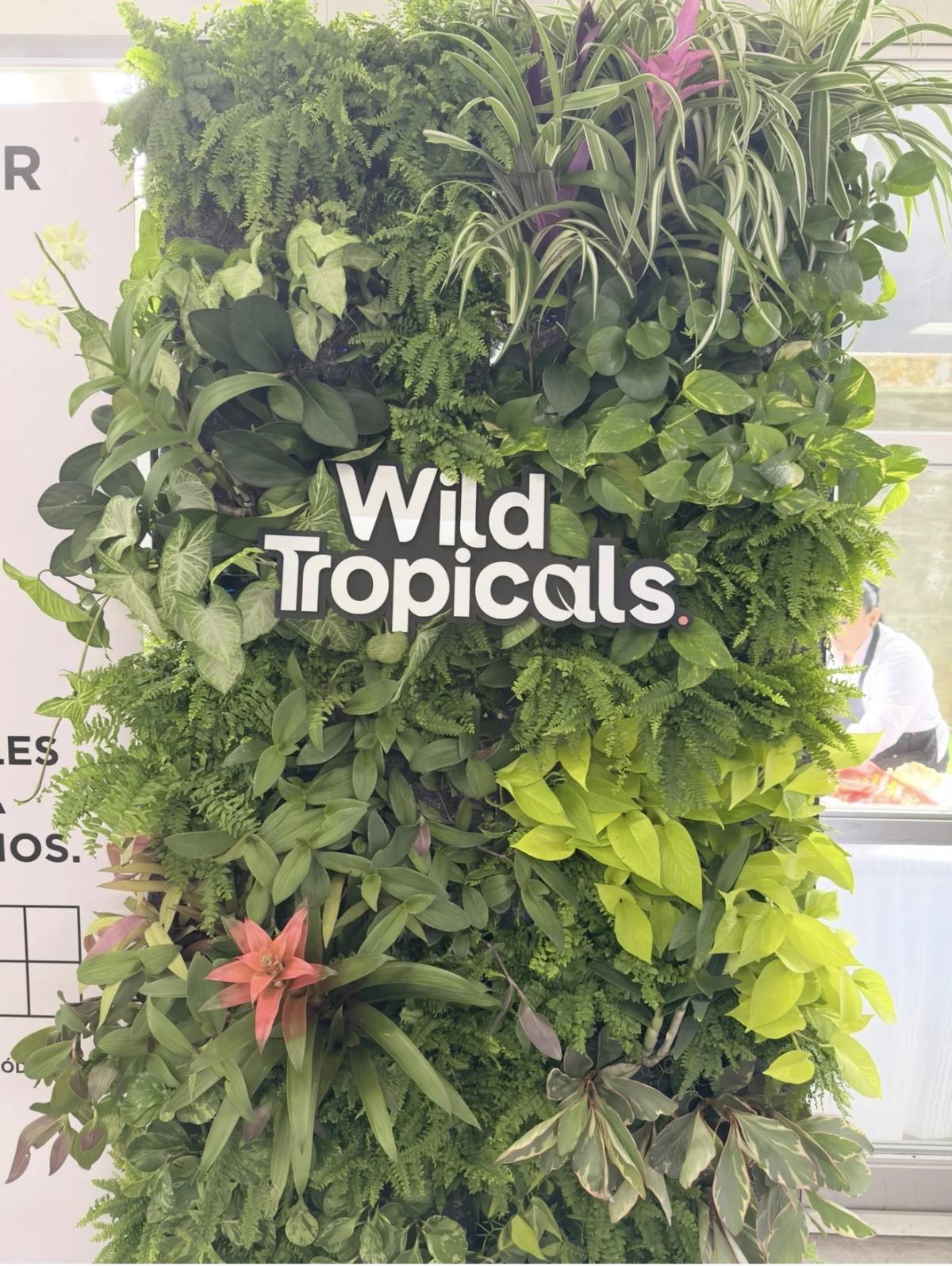
The most interesting part of exhibiting at the International Congress of Sustainable Cities was not necessarily the wall itself.
It was the conversation around it.
CICS brought together people working from different parts of the sustainability ecosystem: architects, engineers, developers, construction professionals, consultants, entrepreneurs, students, academics, and companies working on different aspects of the built environment. The 2026 edition took place on August 27 and 28 at LCI Veritas and was positioned by GBCCR as a space to discuss the challenges, trends, and opportunities transforming sustainable cities and construction in Costa Rica.
That diversity of perspectives matters.
A biologist cannot design a sustainable city alone.
Neither can an architect.
Nor an engineer, developer, or environmental consultant.
Cities are ecological systems as much as they are economic and architectural ones. The problem is that biology has historically occupied a relatively small place in the decisions that shape the built environment.
That is beginning to change.
And I believe it needs to change much faster.
The modern city is often treated as the opposite of nature.
Forests belong outside.
Wildlife belongs elsewhere.
Plants belong in parks or gardens.
Buildings belong to people.
But this separation has never been as complete as we pretend.
Cities are already ecosystems. They contain plants, animals, soils, water, microorganisms, insects, birds, and ecological interactions. The real question is whether we design those systems intentionally or simply allow them to survive around us.
This question connects directly with many of the ideas I have explored in previous articles.
In The Gardenification of Conservation, I argued that conservation needs to expand beyond protected areas and into the landscapes where people live.
In The Forest That Should Still Be Here, I reflected on the humid premontane forests that once shaped much of Costa Rica's Central Valley and the possibility of reconnecting urban development with the ecosystems that preceded it.
A living wall is not a forest.
It will never replace one.
But that does not make it irrelevant.
A wall represents surface area that already exists inside the built environment. The question is whether that surface remains biologically passive or whether it can become part of a more complex living landscape.
One of the words heard most frequently in events focused on cities and construction is sustainability.
It is an important word, but it is also becoming increasingly broad.
Almost every company now has a sustainability strategy.
Almost every building can include sustainable features.
Almost every project can use the language of environmental responsibility.
The challenge is moving beyond the word itself and asking what these strategies actually change.
For Wild Tropicals, one possible answer lies in biodiversity.
Sustainability cannot only mean reducing negative impacts. In a country such as Costa Rica, where biological diversity is one of our defining characteristics, we should also be asking how our buildings and cities can actively support life.
This requires a different ambition.
Not simply building with less damage.
Building environments capable of hosting more ecological complexity.
Events such as CICS are valuable because they bring people together who might not otherwise have the same conversation.
But ultimately, the ideas discussed inside a congress need to leave the venue.
They need to become buildings.
Landscapes.
Public spaces.
Neighborhoods.
Businesses.
Homes.
That is where the real challenge begins.
For Wild Tropicals, the modular living wall we brought to the event was a small experiment within a much larger question.
How can we bring ecological thinking into the ordinary surfaces of tropical cities?
There will not be a single answer.
Some projects will involve native gardens.
Others will involve restoration.
Some will create ecological corridors.
Others may integrate vegetation into architecture.
Living walls are only one piece of that larger landscape.
But every surface that becomes capable of supporting life expands the conversation about what a city can be.
The stand at CICS was temporary.
The questions it raised are not.
Costa Rica is continuing to grow. Our cities are expanding, and the decisions being made today will shape the landscapes in which future generations live.
We can continue treating nature as something that begins where construction ends.
Or we can begin designing cities that recognize living systems as part of their infrastructure.
That does not mean covering every building with plants.
It means thinking differently about the relationship between biology and architecture.
A wall does not have to be the end of nature.
Sometimes, it can be the place where a different kind of landscape begins.
And perhaps that is one of the most important lessons I took away from CICS 2026.
The future of biodiversity will not be decided exclusively in forests, reserves, or national parks.
Part of it will be decided in the spaces we choose to build.