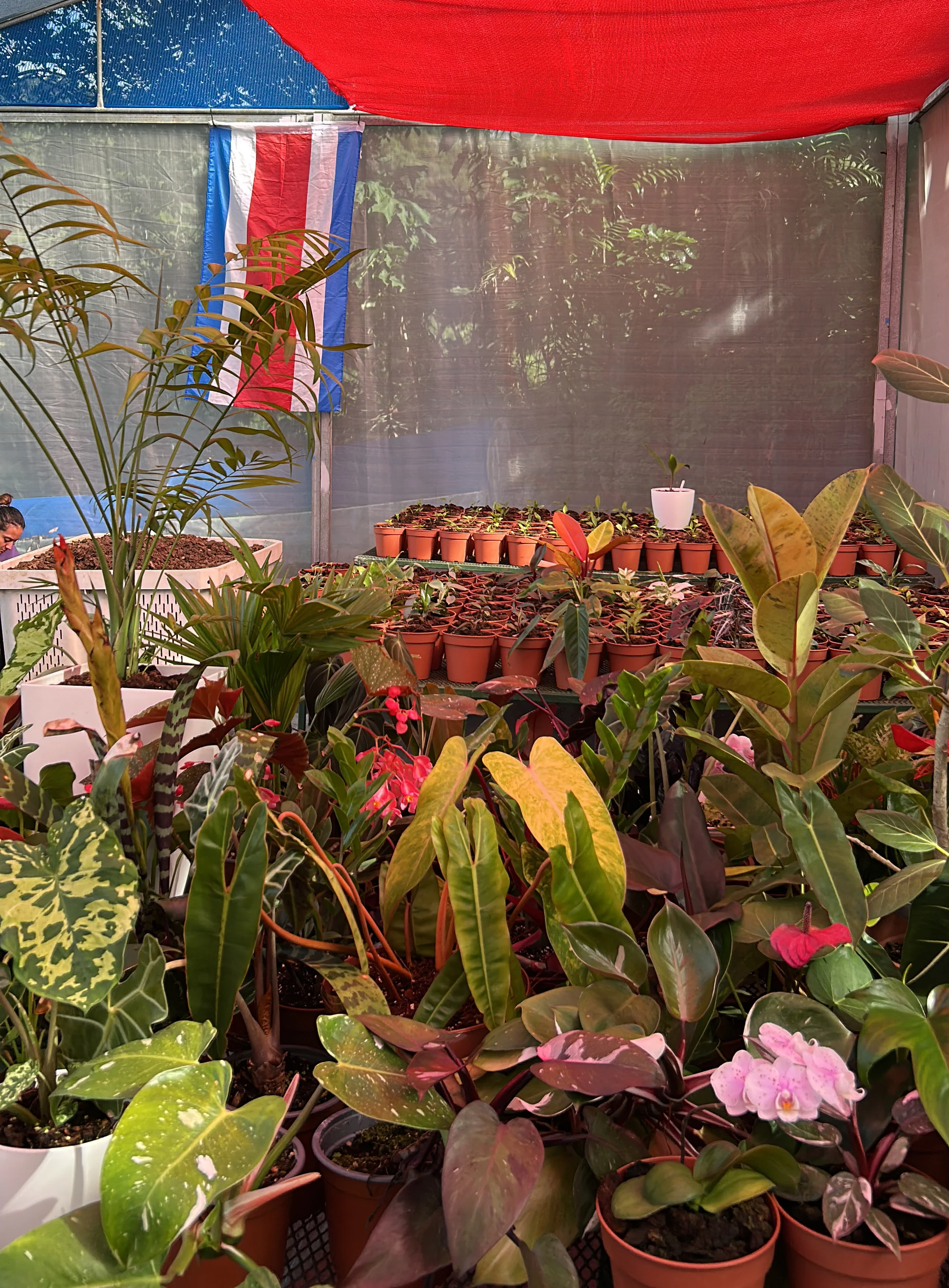
The first nursery I ever built was in a small backyard in Grecia, Costa Rica around 2013.
At the time, it was nothing more than a few trays placed over improvised tables, filled with soil collected from the ground and scattered with seeds, rhizomes and cuttings from native tropical plants I found interesting or visually striking.
Many of those species had little to no documented cultivation information available. Some were considered weeds. Others were simply ignored because they did not belong to the commercial ornamental plant market.
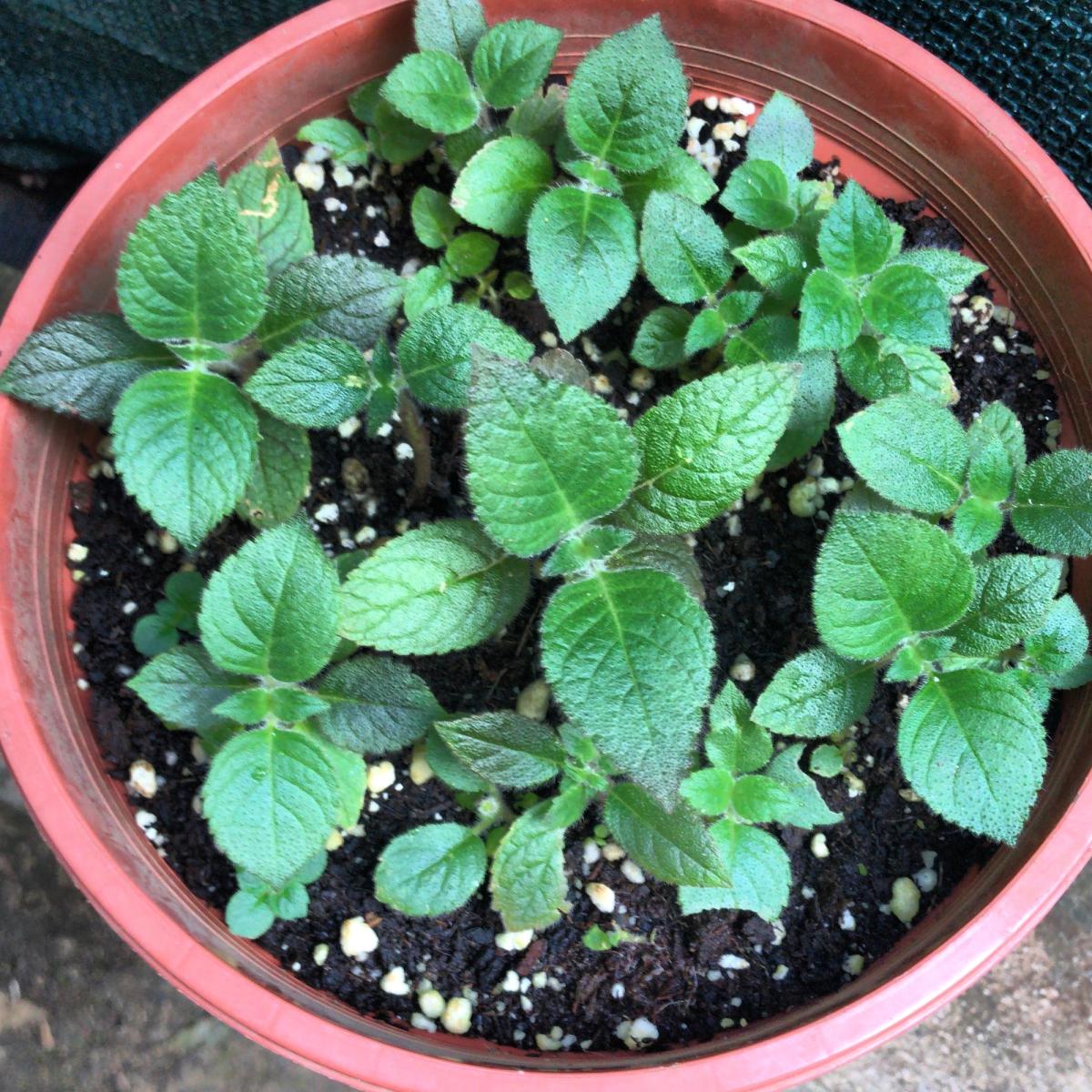
I still remember one tray filled with a native gesneriad species, possibly a type of Gloxinia, growing quietly under humid conditions while I tried to understand how it responded to light, water and disturbance.
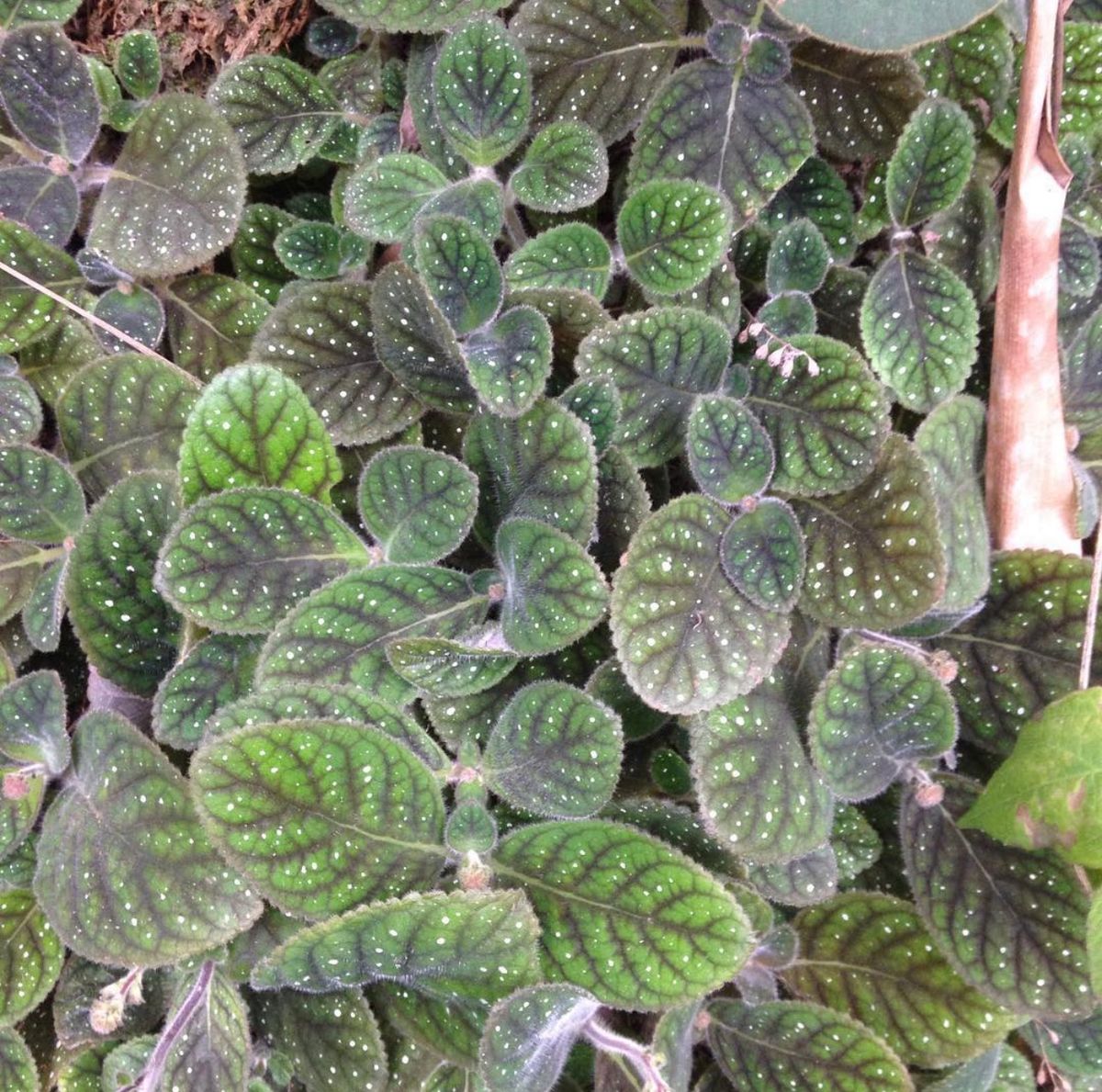
In many ways, those early years felt less like traditional horticulture and more like biological observation.
One of the most difficult things about working with native tropical plants is understanding that these are not domesticated species. They are wild organisms adapted to highly specific ecological relationships and environmental conditions. Humidity, fungi, bacteria, seasonal cycles, pruning periods and pest interactions all become critically important.
Certain species simply cannot tolerate being pruned during dry seasons. Others collapse under excessive manipulation or poorly adapted substrates. Sometimes the greatest challenge is learning when to stop interfering.
That understanding became especially clear to me through orchids.
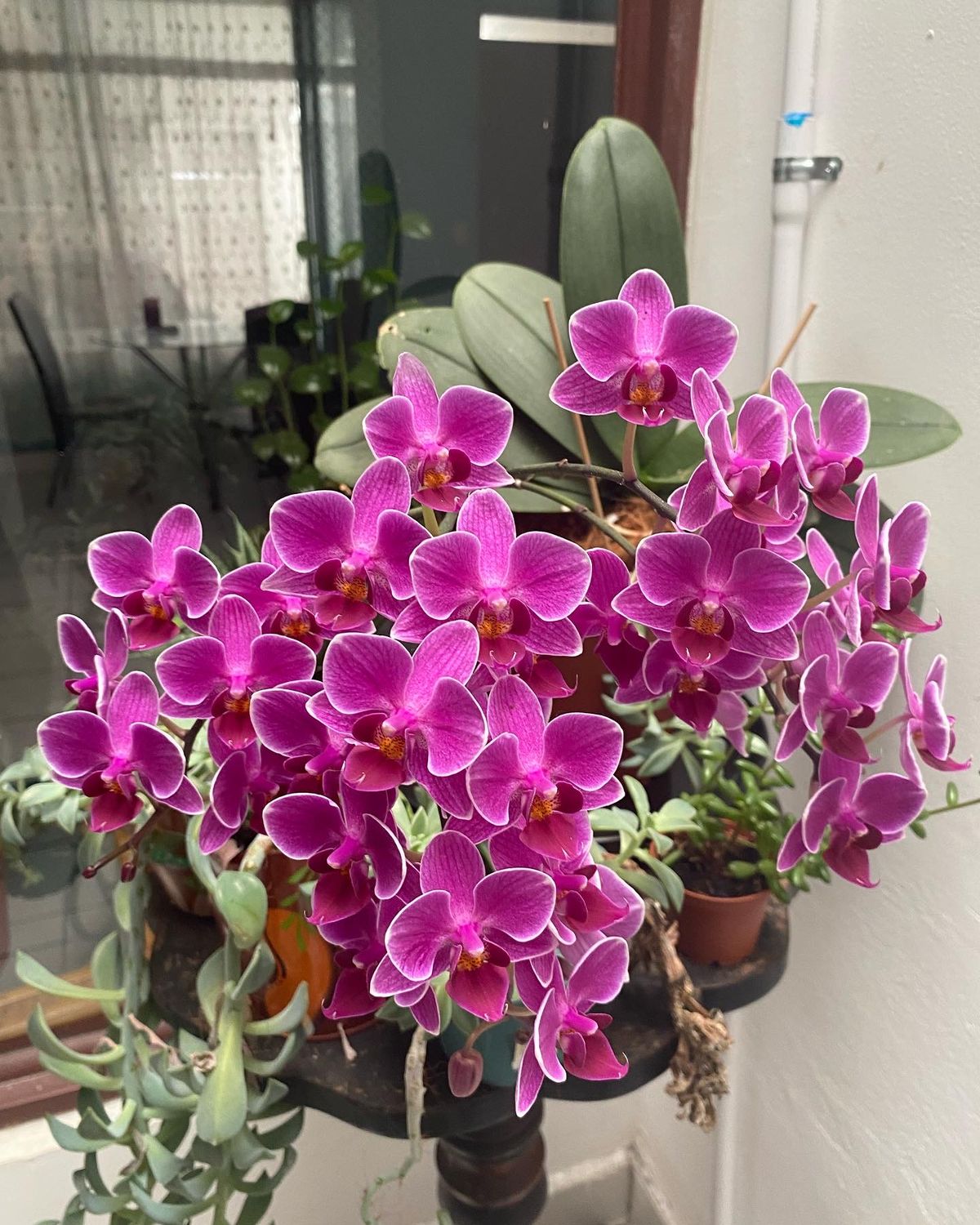
Years ago, my aunt gifted me several large orchids that I manipulated excessively trying to “improve” them. Many nearly died.Eventually I stopped touching them almost completely.
And that was when they finally stabilized.
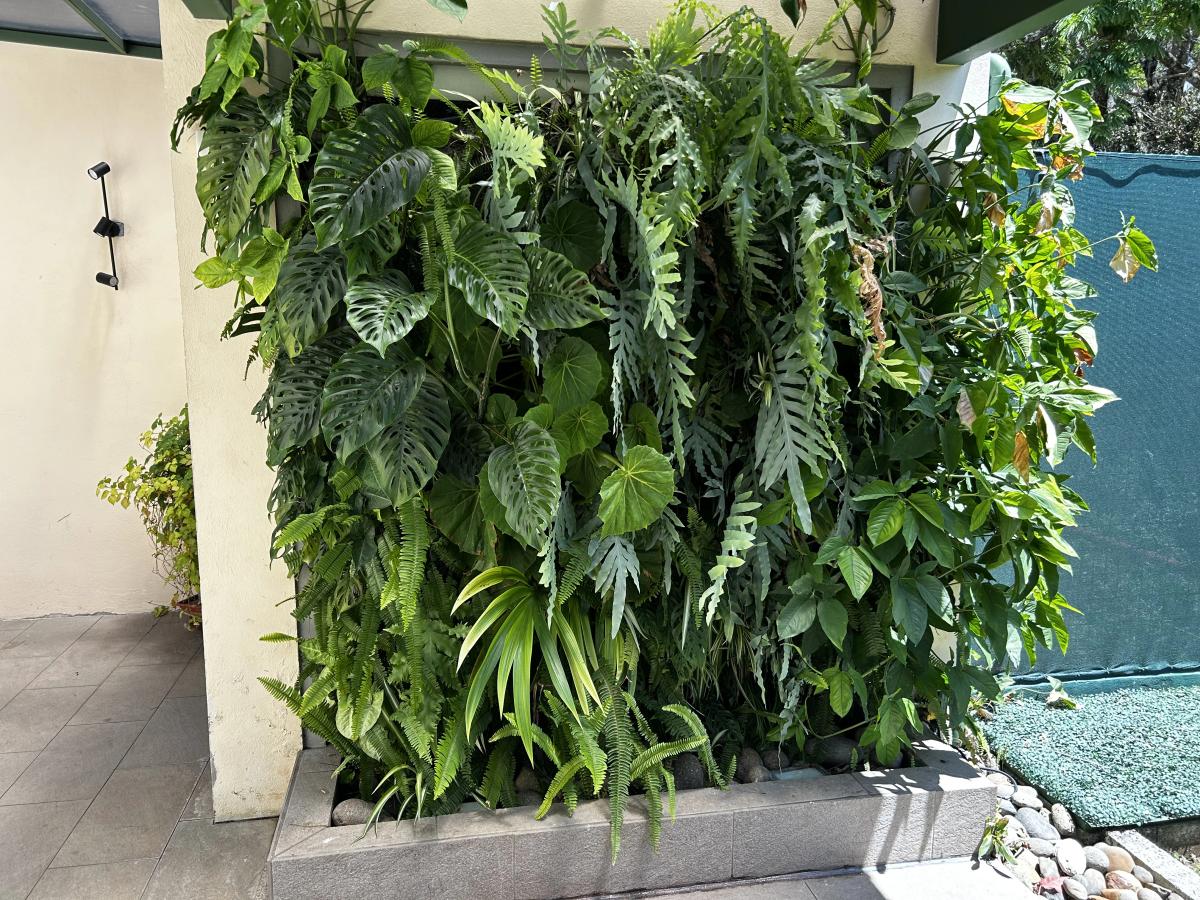
Years later, during the installation of our first professional vertical garden, I encountered the same phenomenon again.
The client, who was also a biologist, wanted an ecosystem designed under minimal maintenance principles. At first I was skeptical. The planting density seemed excessive and I assumed the species would compete aggressively against one another.
Instead, the opposite happened.
Once the system was left alone and excessive intervention stopped, the ecosystem began balancing itself naturally. Some species dominated. Others disappeared. Pest pressure decreased. Growth accelerated.
The system simply selected what worked best under those conditions.
That project completely changed the way I understood living systems.
Producing plants and building ecosystems are not the same thing.
A nursery exists to propagate biological material. An ecosystem requires understanding ecological function, spatial relationships, environmental conditions and species composition capable of responding naturally to a specific site.
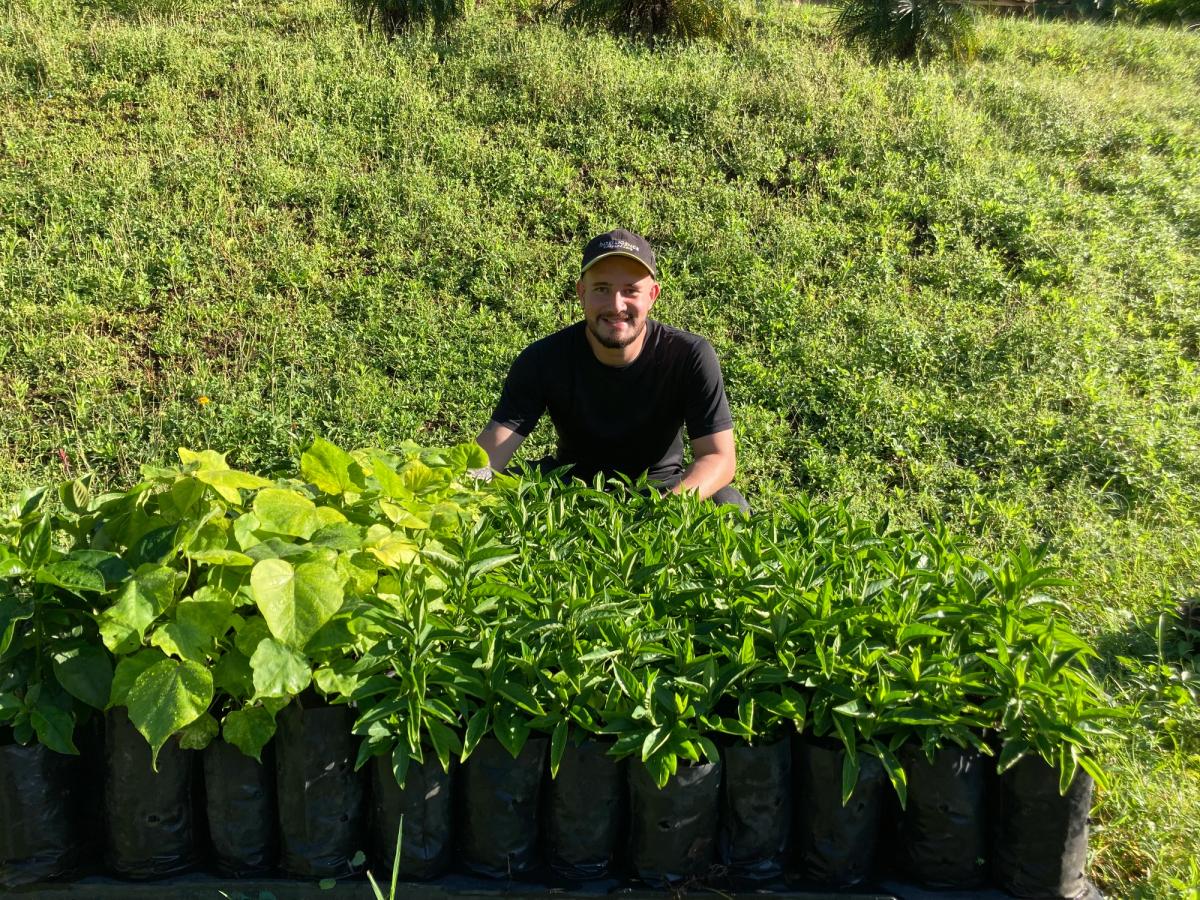
A living landscape cannot simply be assembled by randomly extracting plants from nature and placing them inside a project. It requires understanding biological processes deeply enough to recreate conditions where life can continue evolving naturally.
Some of the most fascinating lessons came from simple observations that appeared simple at first.
I still remember planting Asclepias curassavica in Pavas and witnessing monarch butterflies almost immediately colonizing the plants. Within a short period of time, dozens of caterpillars and chrysalis stages appeared.
Watching those cycles happen in the middle of an urban environment completely changed my understanding of how quickly ecological relationships can return once the right species are present.
Passionflowers taught me similar lessons through their defensive adaptations, false egg structures and interactions with insects.
Nature constantly reveals levels of complexity that no artificial system can fully replicate.
Living in the Caribbean later expanded that understanding even further.
The biological intensity of the region, the accelerated growth, humidity and enormous diversity of species helped me understand how important ecological complexity really is.
Some species I originally associated with highland ecosystems or disturbed valleys appeared thriving near sea level under completely different environmental dynamics. Others behaved almost like entirely different organisms depending on the ecosystem where they developed.
Over time, I stopped seeing Wild Tropicals simply as a landscaping or plant project.
I began seeing it as a platform for exploring how tropical biodiversity, ecological restoration and landscape design could eventually converge into a broader philosophy capable of being shared beyond Costa Rica itself.
In many ways, Wild Tropicals became the execution of that obsession, that curiosity and that vocation that tropical ecosystems placed in front of me years ago.