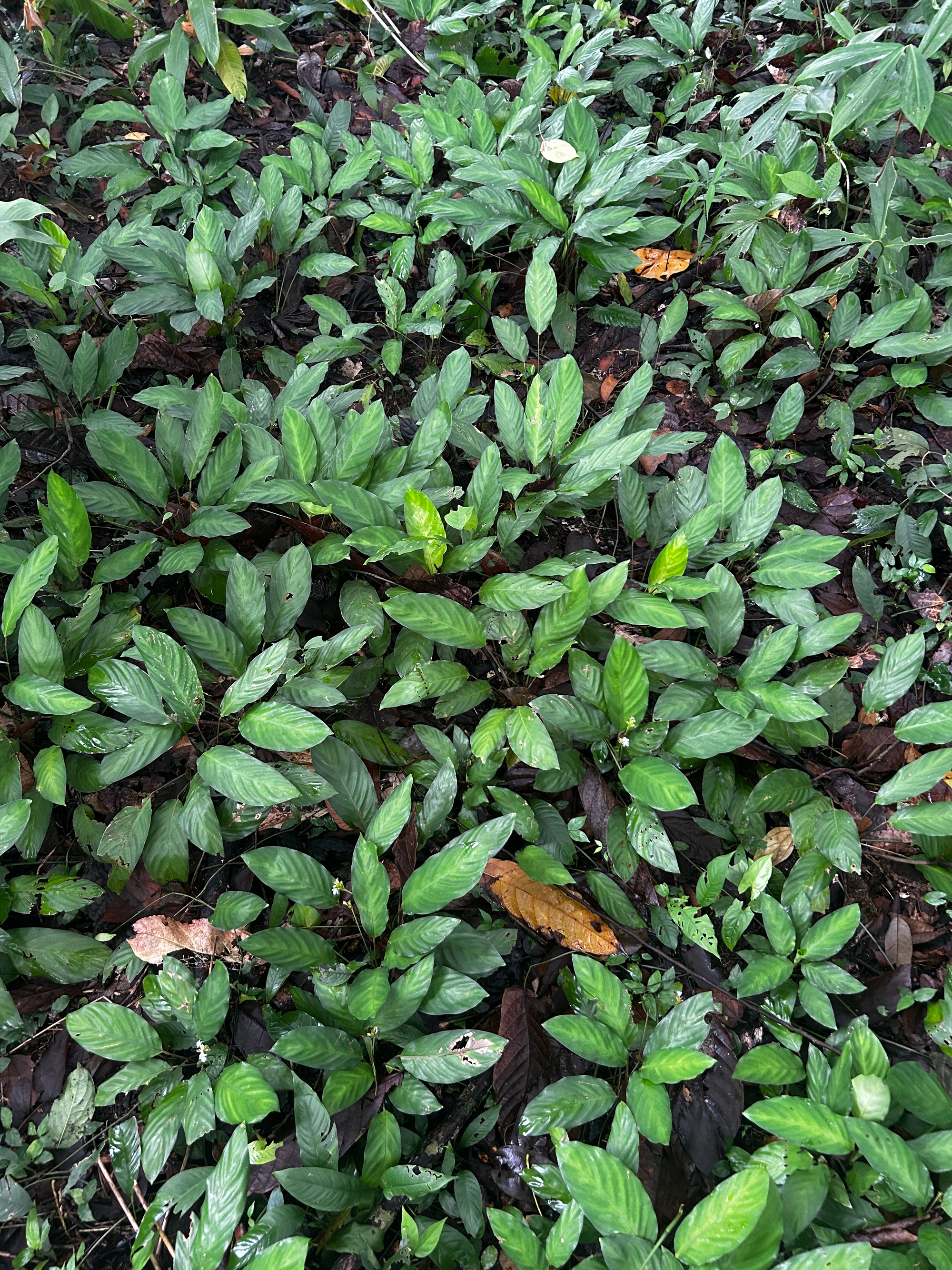
Costa Rica possesses one of the most extraordinary tropical floras on Earth, yet many of our urban spaces, gardens and architectural projects continue feeling disconnected from that reality.
In many cases, tropical landscaping has become repetitive. The same ornamental species are used over and over again, often copying trends developed in other regions of the world without fully understanding the biological conditions of the site or the ecological potential of native flora.
What is fascinating is that many Costa Rican plants that remain largely ignored locally are highly valued internationally.
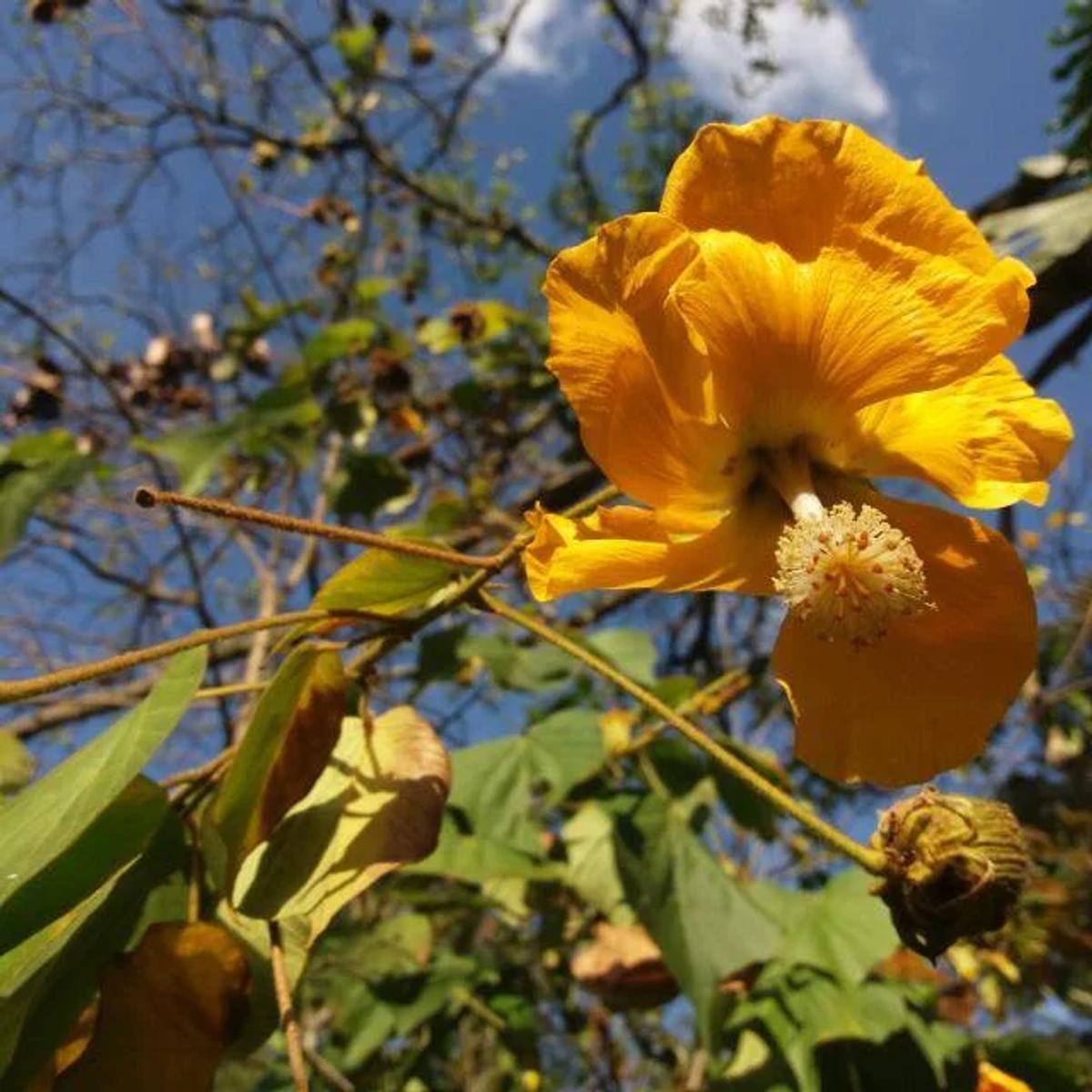
Species such as Hymenocallis littoralis, Chrysothemis pulchella, Calathea micans, Acmella repens and Salvia polystachya possess extraordinary ornamental, architectural and ecological value while naturally thriving within tropical environments with very little maintenance.
Entire groups of native plants, especially many zingiberales, gesneriaceae, bromeliads and araceae, remain surprisingly underexplored within contemporary tropical landscaping.
Part of the problem comes from the way tropical design is often approached. Instead of studying the specific environmental conditions of each site, many projects simply repeat existing formulas. Designers frequently rely on the same familiar species or replicate international trends, greatly limiting the creative and ecological potential of Costa Rican tropical landscapes.
Ironically, many of the most innovative tropical architecture firms are precisely those that have understood the importance of working directly with biodiversity, climate and ecological identity as integral parts of design itself.
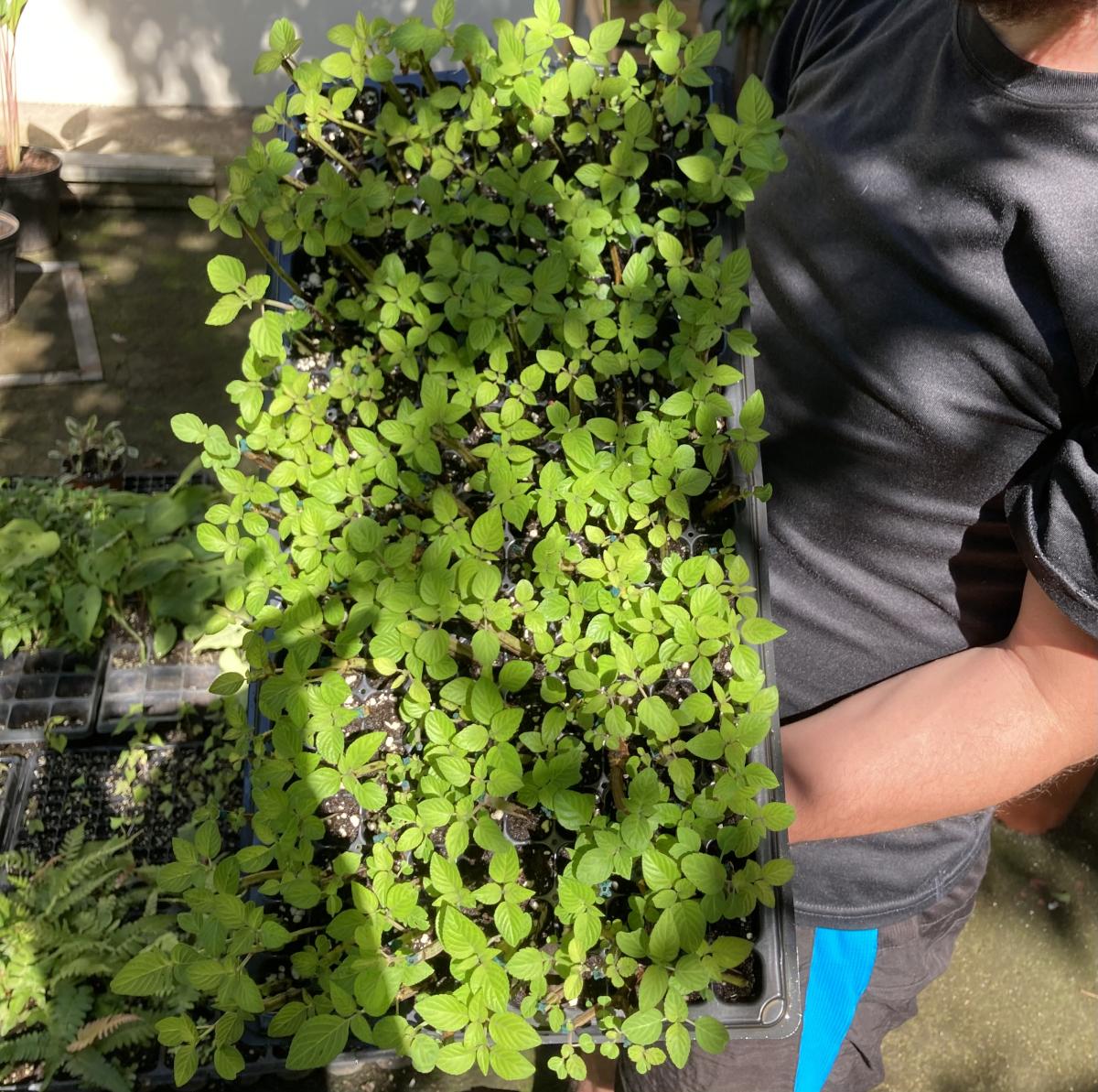
Native plants are not necessarily radically different from many exotic tropical species in physiological terms. Plants from Asia, Africa or South America may adapt perfectly well to Costa Rica.
What cannot be replicated are the ecological relationships native species maintain with the rest of the local biodiversity.
These interactions are the result of millions of years of coevolution.
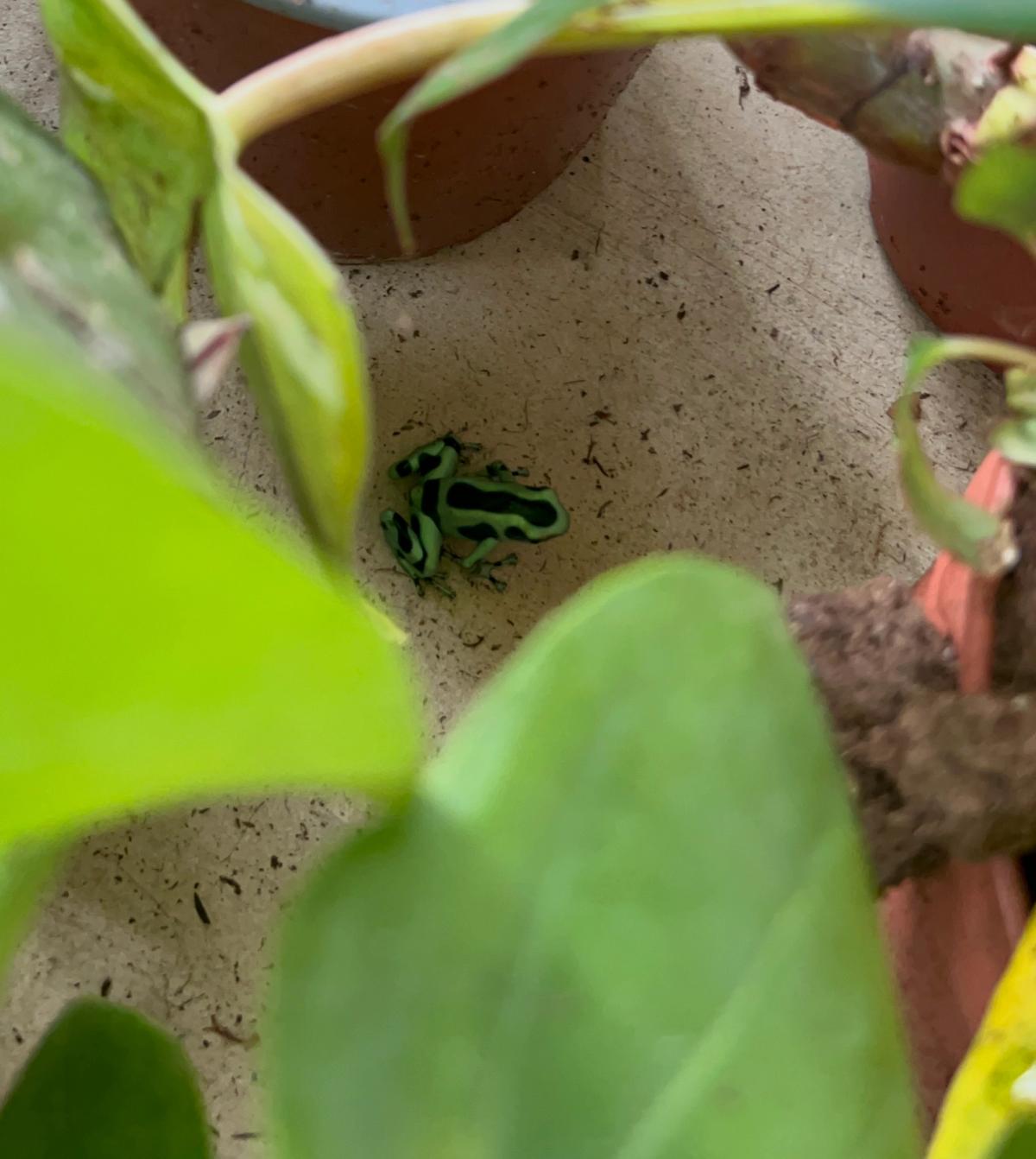
Soil microorganisms, fungi, mycorrhizae, bacteria, pollinators, insects, amphibians, birds and mammals constantly participate in complex biological networks that continue functioning even inside human spaces.
Some species depend entirely on these relationships to survive.
Tree ferns, for example, require highly specific mycorrhizal associations during certain stages of development. Some pollinators evolved alongside extremely specialized flowers found only within particular ecosystems. Mammals such as the tapir continue functioning as essential dispersers of tropical seeds.
All of this ecological complexity is impossible to artificially reproduce.
Another aspect of tropical landscapes that has always fascinated me is their constant capacity for transformation.
The premontane wet forest that originally dominated much of Costa Rica’s Central Valley practically disappeared due to urban development and the historical expansion of coffee cultivation. Yet many species still preserve the memory of those ecosystems within their biological behavior.
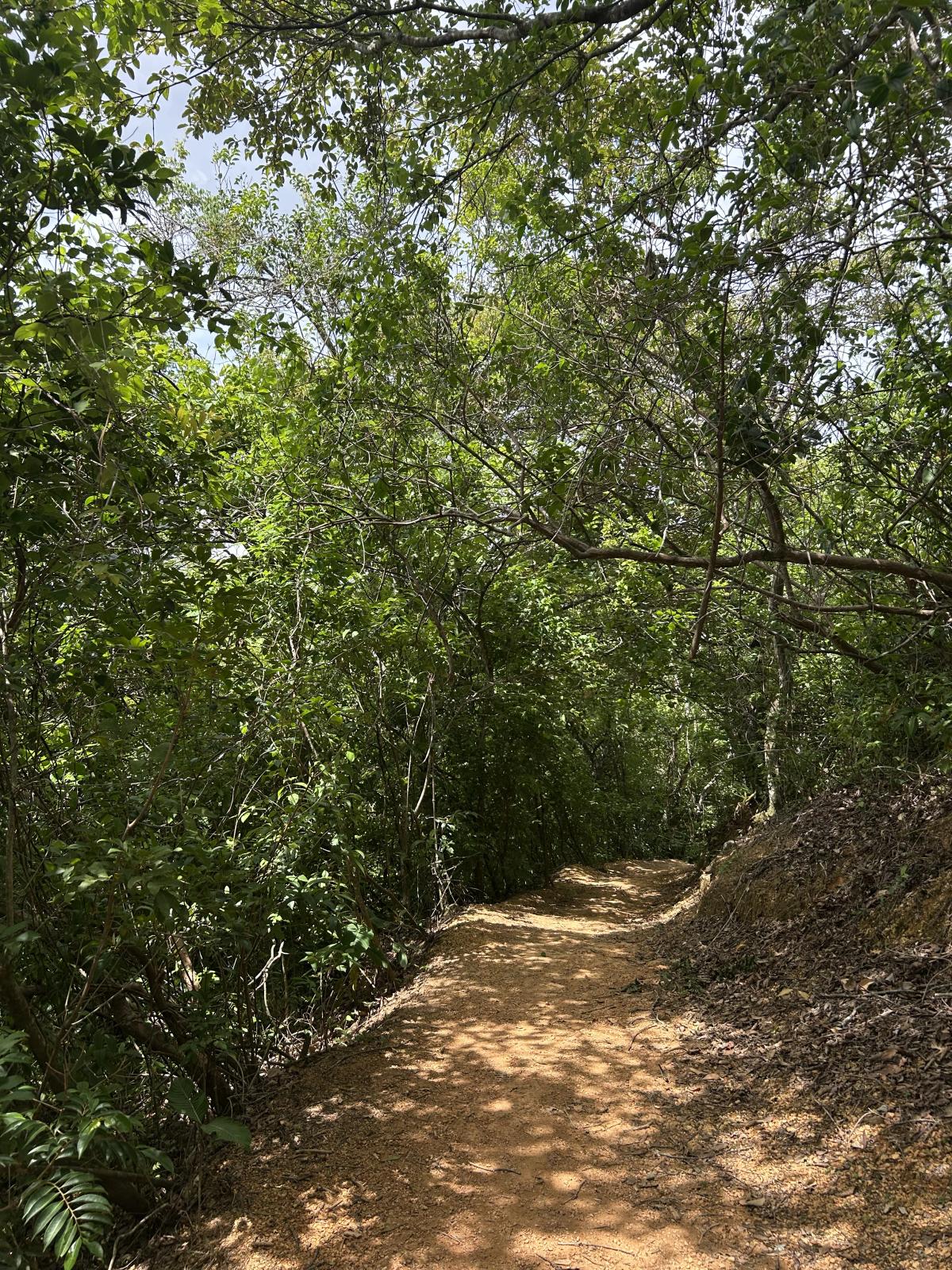
During the dry season, many herbaceous plants disappear completely from the visible landscape. Some survive through underground rhizomes, while others reduce their structures and internally conserve moisture until the rains eventually return.
Species such as Achimenes longiflora and Begonia plebeja demonstrate how tropical landscapes are not static compositions, but living systems constantly evolving in response to climate, light and seasonality.
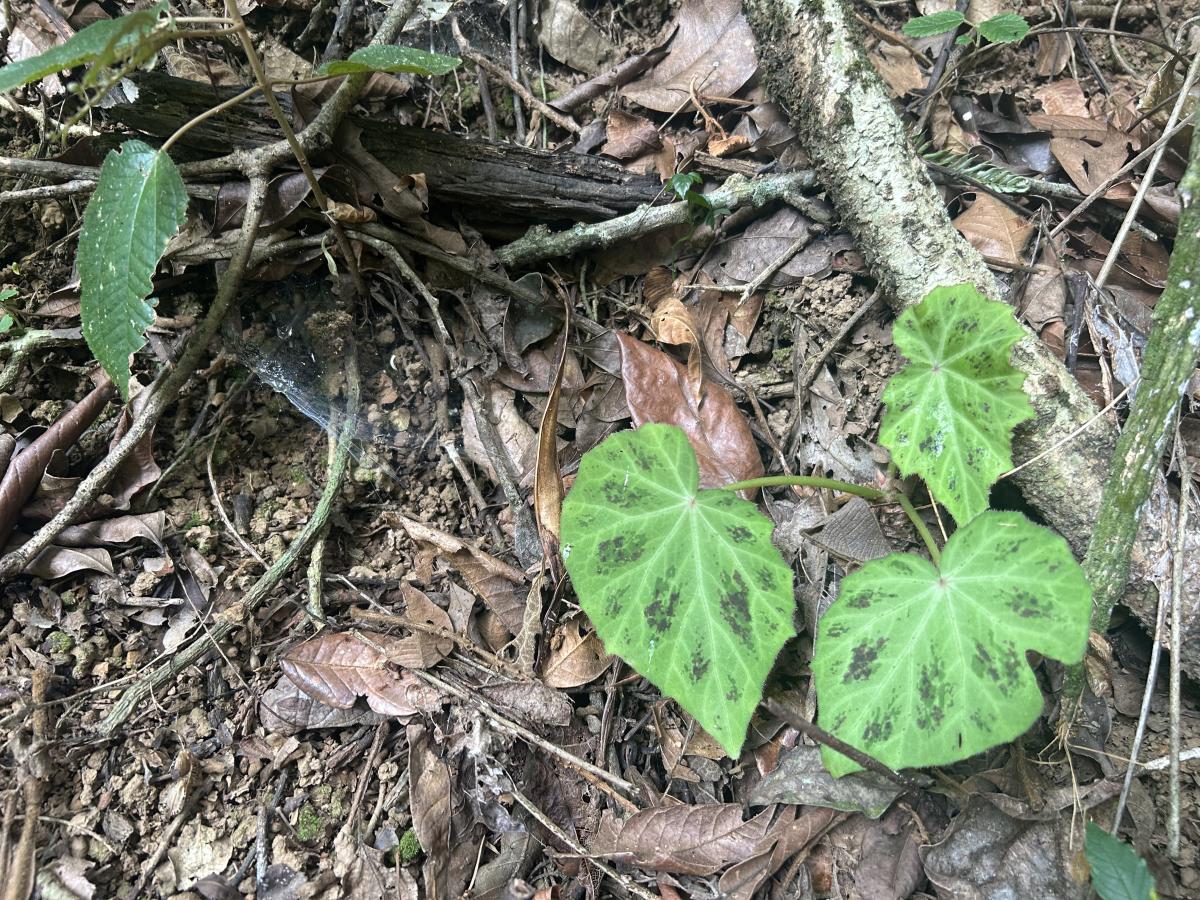
Personally, one of the most frustrating things is observing tropical Costa Rican spaces designed using species that could exist almost anywhere else in the world.
Meanwhile, many native Costa Rican plants are treated as true botanical treasures abroad while continuing to be ignored locally.
Part of this disconnection may also have historical origins.
Costa Rican researcher Guillermo Chaves often mentioned how much of our perception of “wild vegetation” or “overgrown landscapes” can be understood as a colonial inheritance. When colonizers arrived, forests represented danger, disease and obstacles to settlement and agriculture. Much of the original tropical landscape was removed and replaced.
In many ways, we still carry part of that perception today.
Perhaps one of the greatest challenges moving forward is reconnecting with the tropical garden that already exists naturally around us.
Not by copying European landscapes or international trends, but by understanding the immense ecological, cultural and landscape value of our own biodiversity.
Perhaps it is finally time to begin imagining something different:
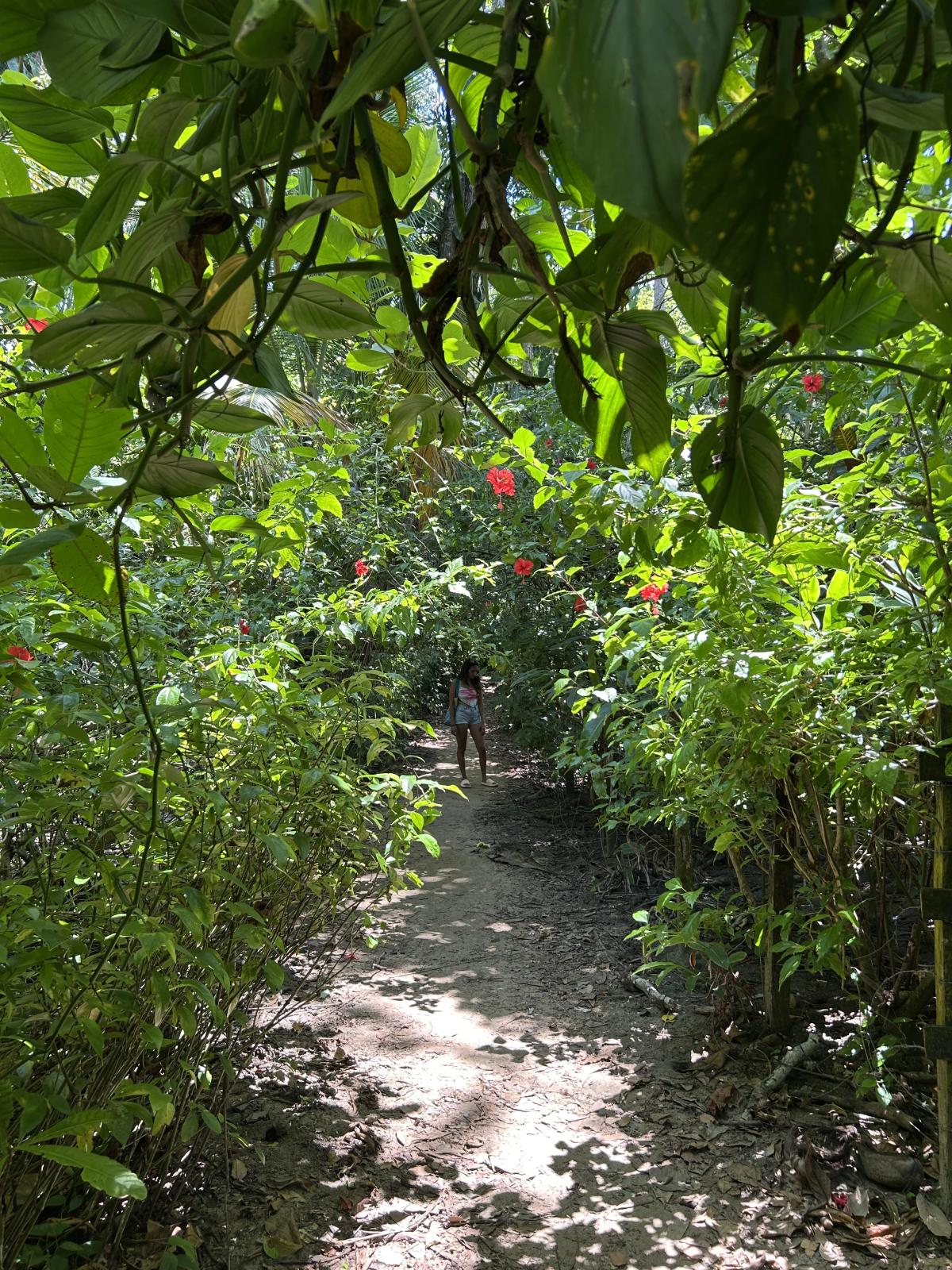
A true Costa Rican wild garden.