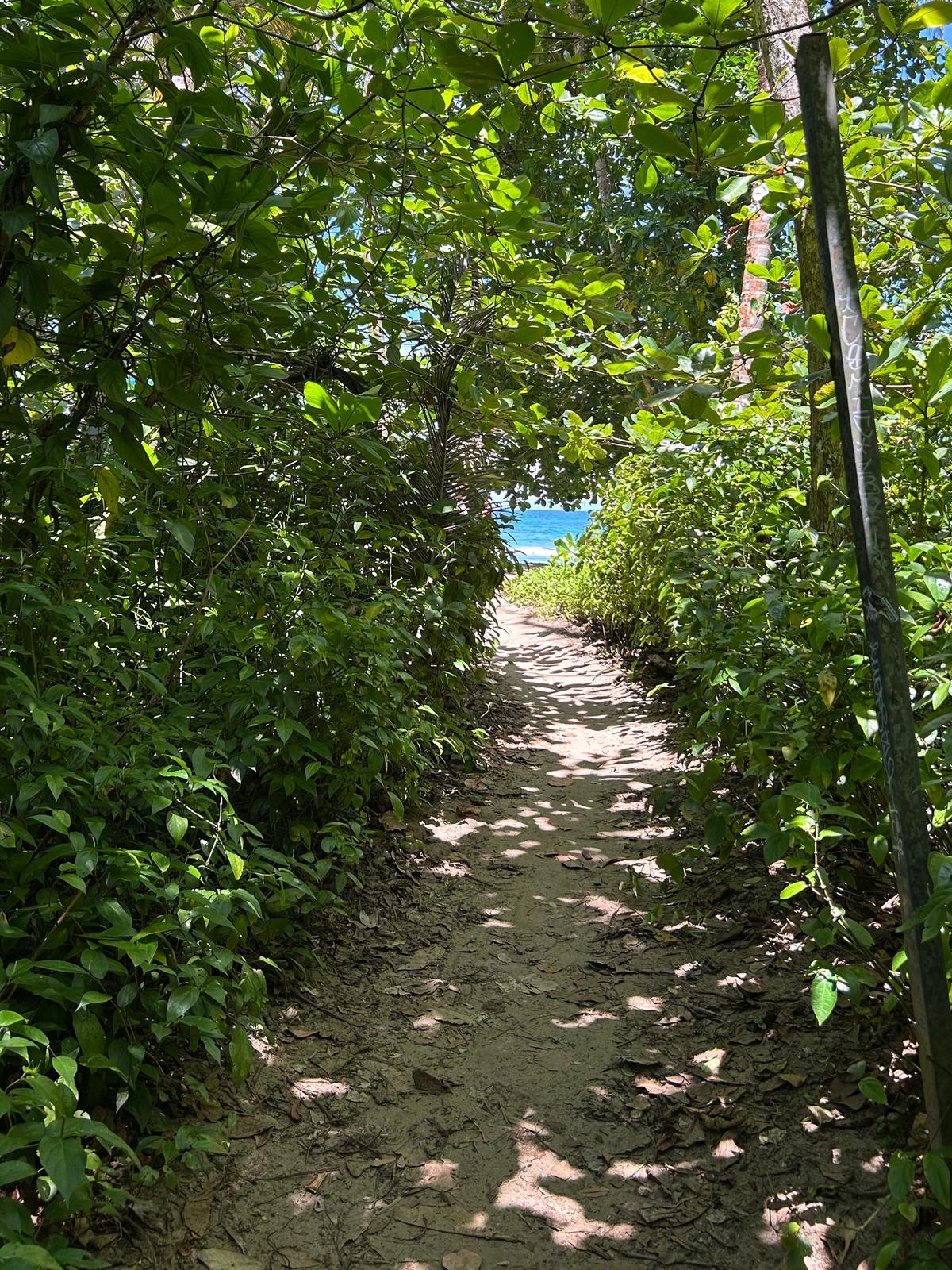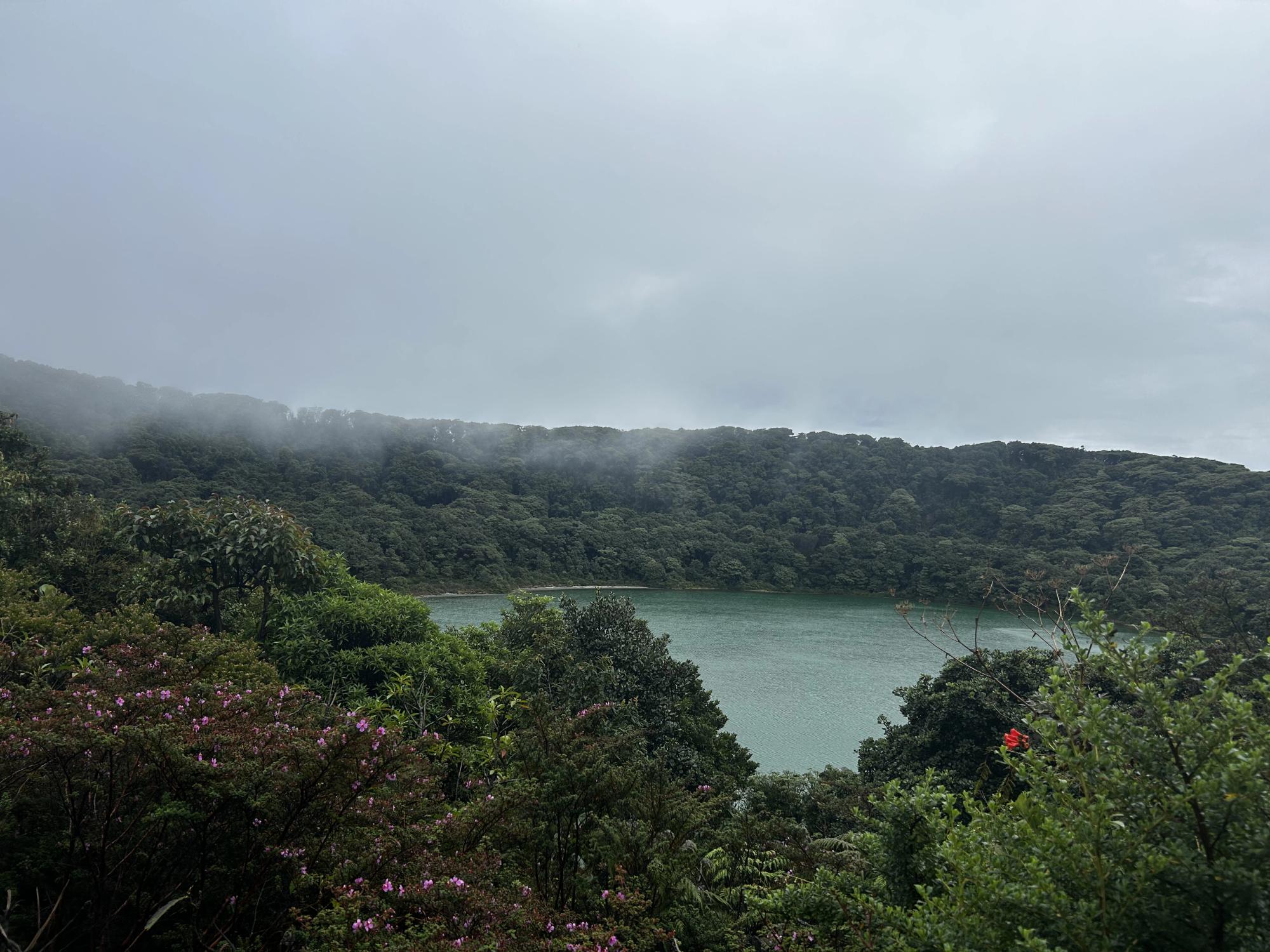
One of the ideas that has influenced me the most over the years comes from Costa Rican biologist Daniel Janzen and his concept of the “gardenification” of conservation.
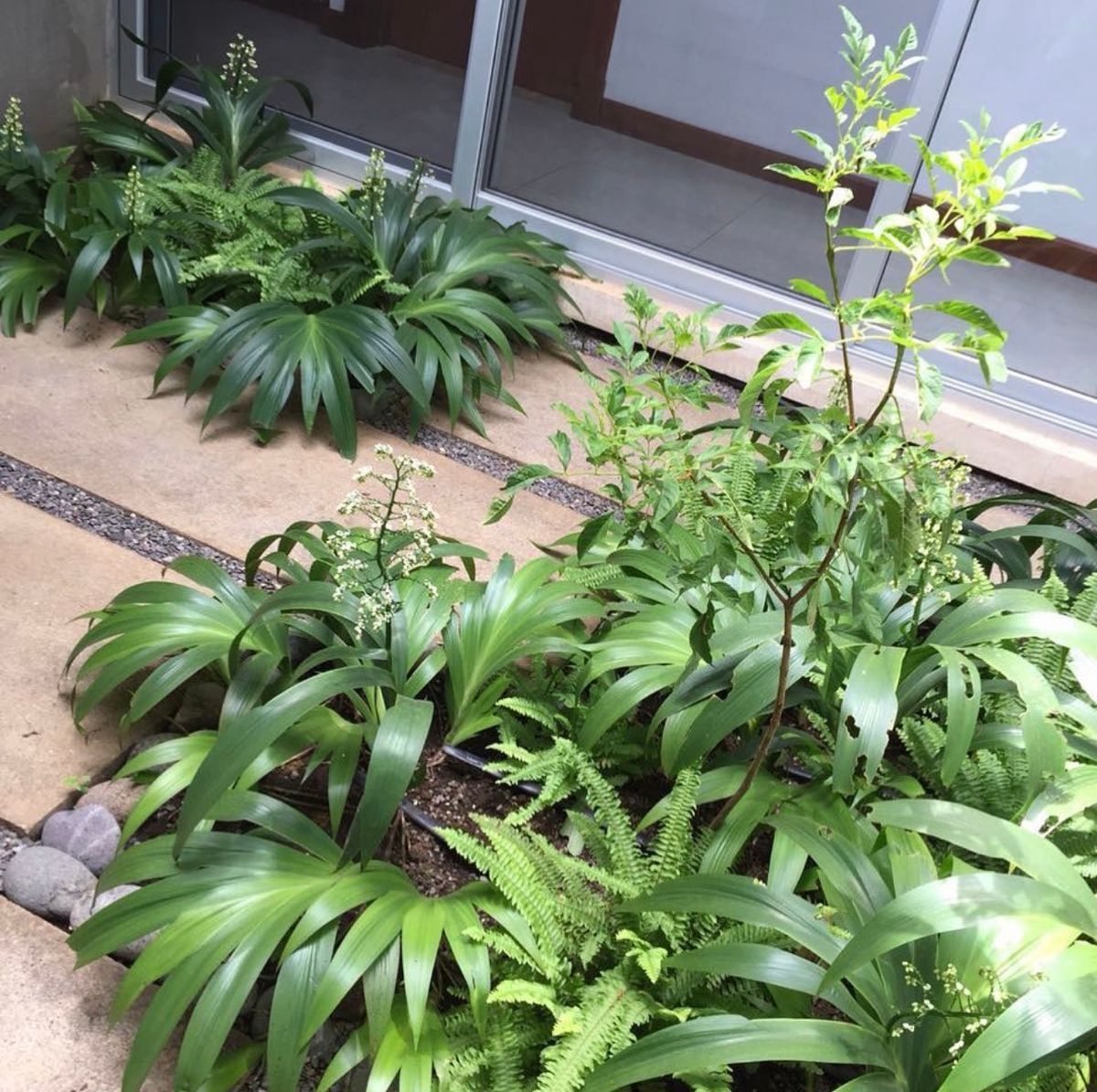
The idea became even more meaningful to me while designing one of my first high-end tropical residential landscapes in Costa Rica.
What initially began as a relatively simple native planting composition slowly evolved into something much more complex. As the vegetation matured, pollinators began arriving almost immediately. Butterflies, insects and other forms of life gradually started returning to a space surrounded by urban infrastructure in ways that felt almost surreal.
That experience completely changed the way I understand conservation.
Costa Rica possesses one of the most extraordinary reservoirs of biodiversity on the planet. Yet much of our conservation strategy still depends on fragmented protected areas that function almost like isolated islands. The problem is that ecosystems cannot survive indefinitely through isolation alone. Biological connectivity is essential.
Species require movement, interaction and ecological continuity in order to sustain healthy populations over time. A tapir dispersing seeds throughout a forest performs an ecological function that cannot simply be replaced by fencing isolated fragments of nature.
And that is precisely where the concept of “gardenification” becomes so powerful.
Biodiversity needs to begin expanding back into human spaces instead of remaining completely separated from them. Human environments should not function as ecological voids or “green deserts.” They should become part of the biological structure capable of reconnecting fragmented ecosystems.
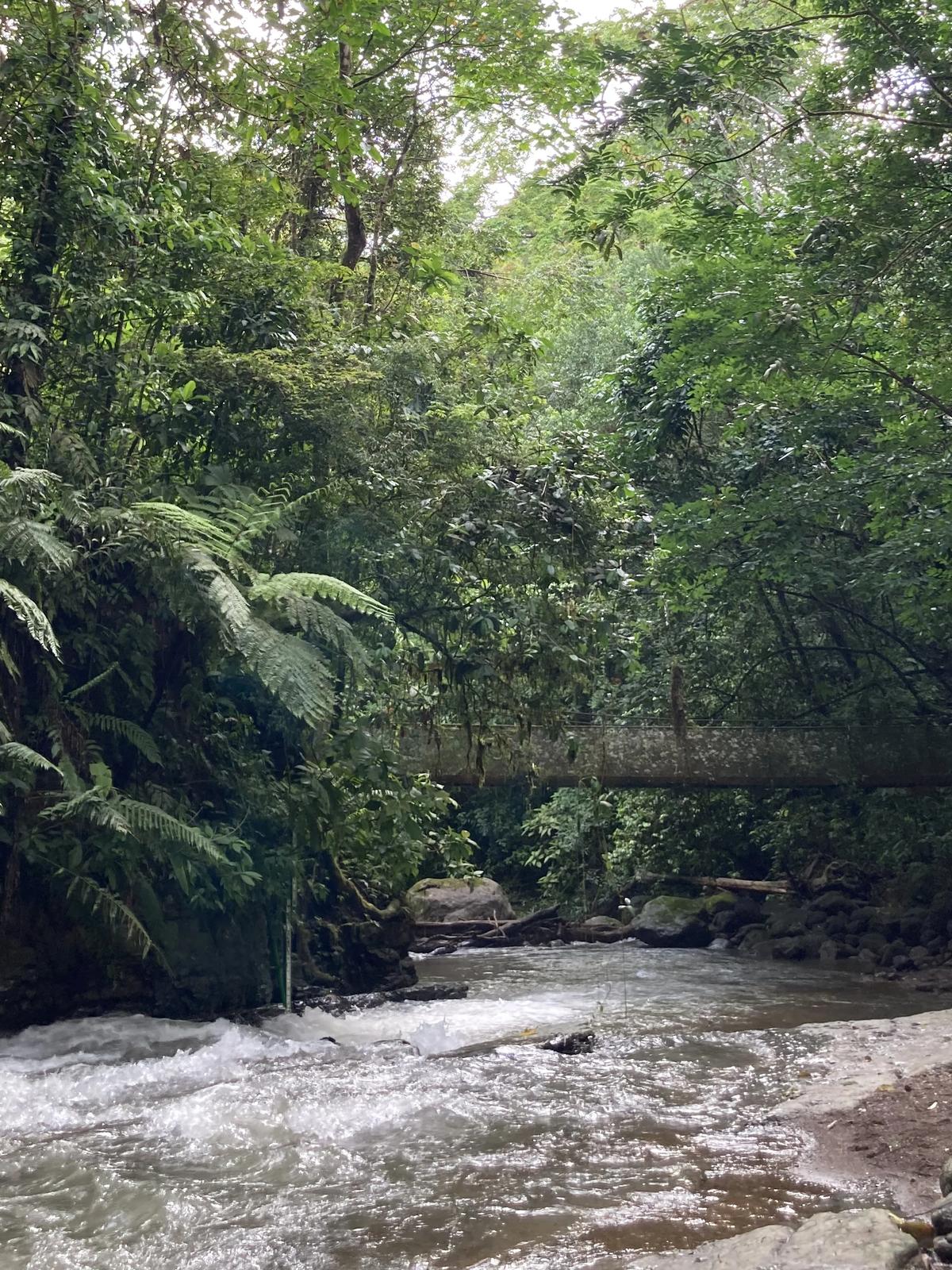
Costa Rica already possesses enormous opportunities to achieve this. Rivers, gardens, hotels, architecture, rural properties, public spaces and biological corridors could all function as interconnected ecological systems if they were designed with biodiversity in mind.
In many rural regions of the country, ecological movement still occurs relatively naturally. Monkeys move across forests. Macaws fly over agricultural landscapes. Frogs travel through rivers and humid corridors.
However, within the Greater Metropolitan Area, much of that connectivity has practically disappeared. Many urban green spaces remain completely disconnected from a biological perspective despite appearing visually green.
That is precisely why I often describe them as “green deserts.”
They are spaces with vegetation, but without real ecological function.
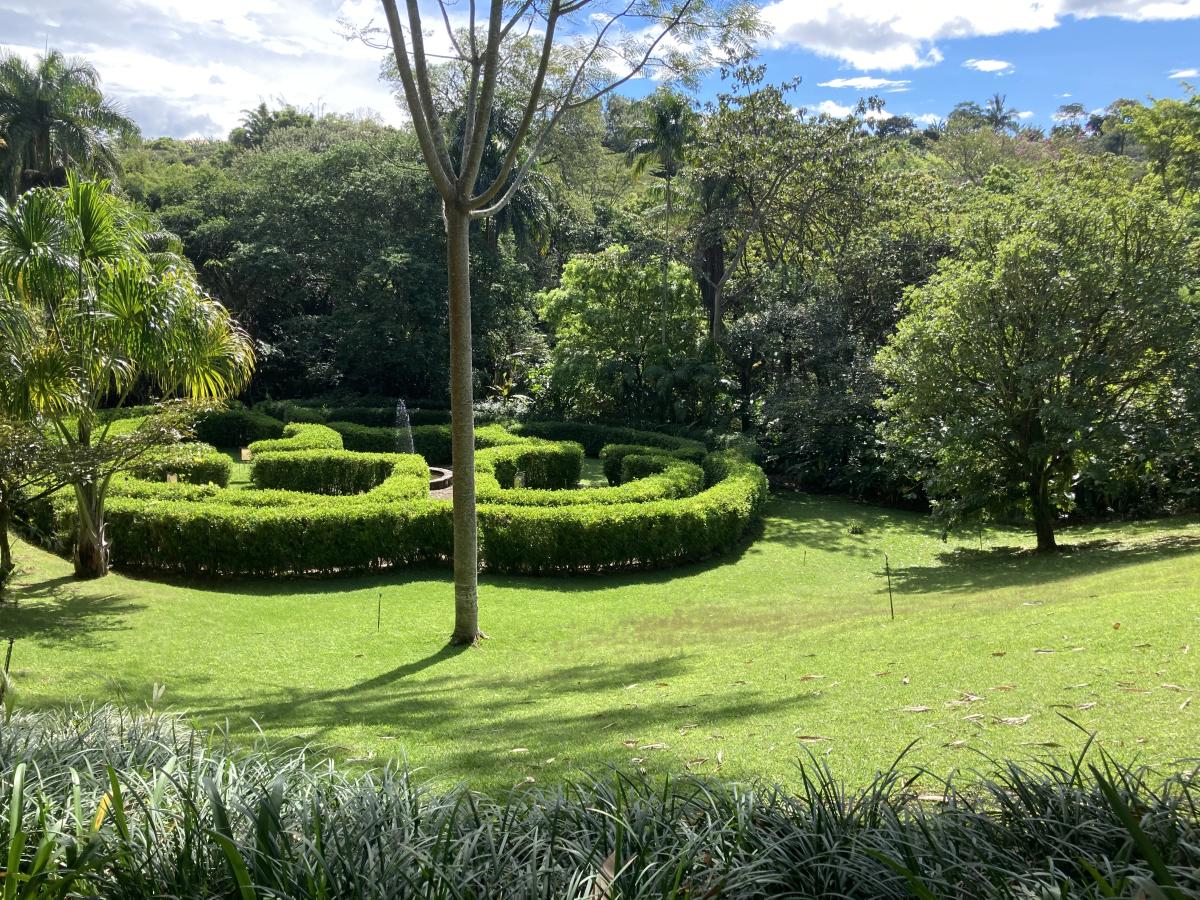
The challenge moving forward is not simply planting more trees. The real challenge is restoring ecological relationships. And that requires understanding biodiversity as something that must be actively managed, propagated and integrated into human development rather than isolated from society.
That is where horticulture, landscape design and ecological restoration begin to converge.
Native plant nurseries become fundamental because they are the systems capable of propagating the biological material necessary to rebuild those ecological networks. Landscape architects, municipalities, hotels, communities and local governments then become active participants within the restoration process itself.
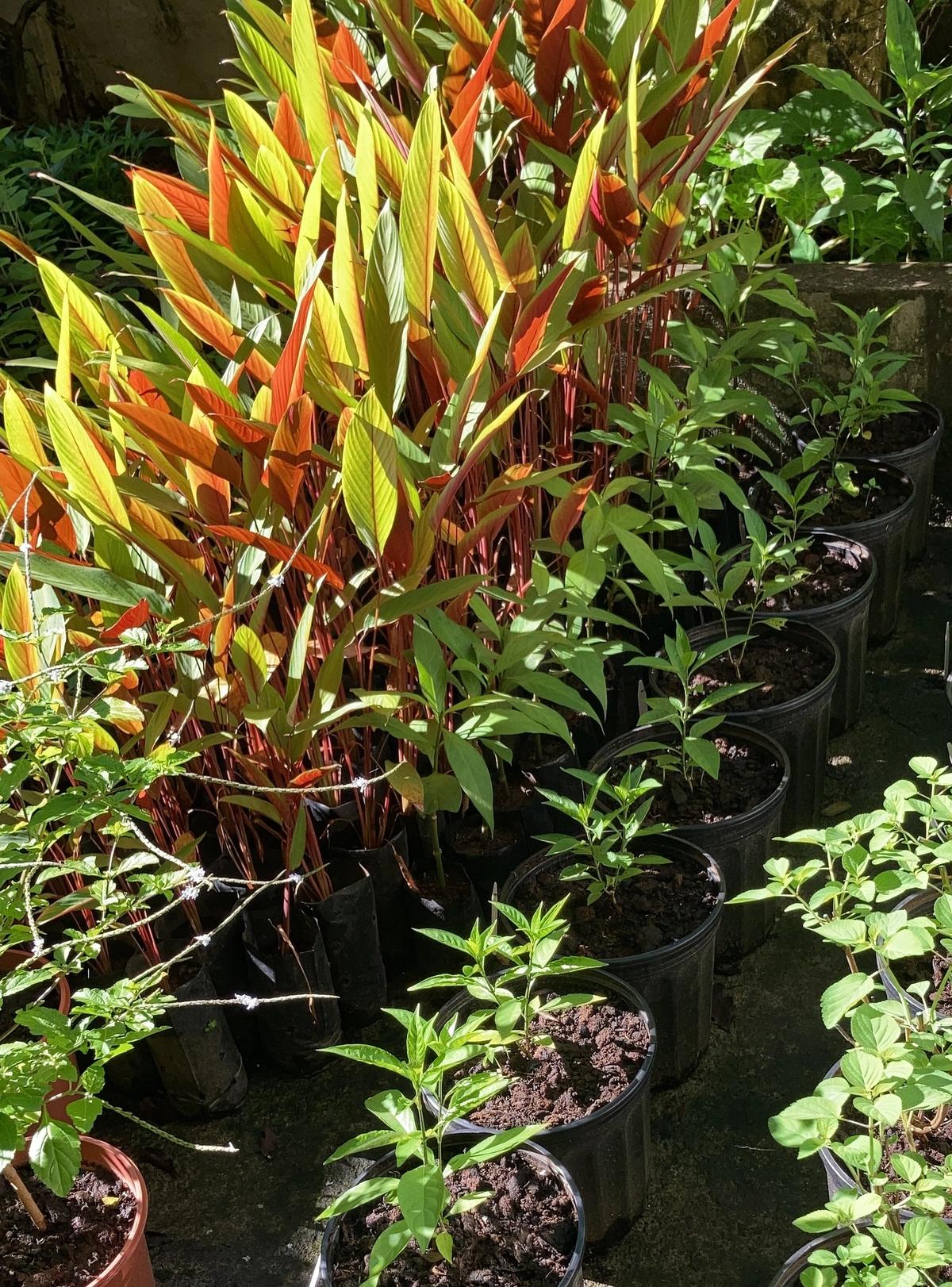
In many ways, human beings need to begin assuming a new ecological role. Almost like a modern version of the tapir. A species capable of helping restore connectivity, distribute biodiversity and intentionally rebuild fragmented ecosystems.
Costa Rica still does not fully understand the true magnitude of its own biodiversity. Nor has it fully understood that conservation cannot survive indefinitely by completely separating nature from human life.
When biodiversity is perceived as something untouchable, distant or disconnected from people, communities eventually lose their sense of belonging toward it. But when people begin interacting directly with ecosystems, propagating native species and actively participating in restoration processes, conservation becomes culturally stronger and socially more resilient.
To me, that is where Costa Rica’s future could become truly extraordinary.
Not simply as a country with protected areas, but as the first nation capable of integrating biodiversity directly into urban development, architecture, infrastructure and everyday life at a national scale.
A country that finally understands itself not as a city surrounded by nature, but as one enormous tropical garden.