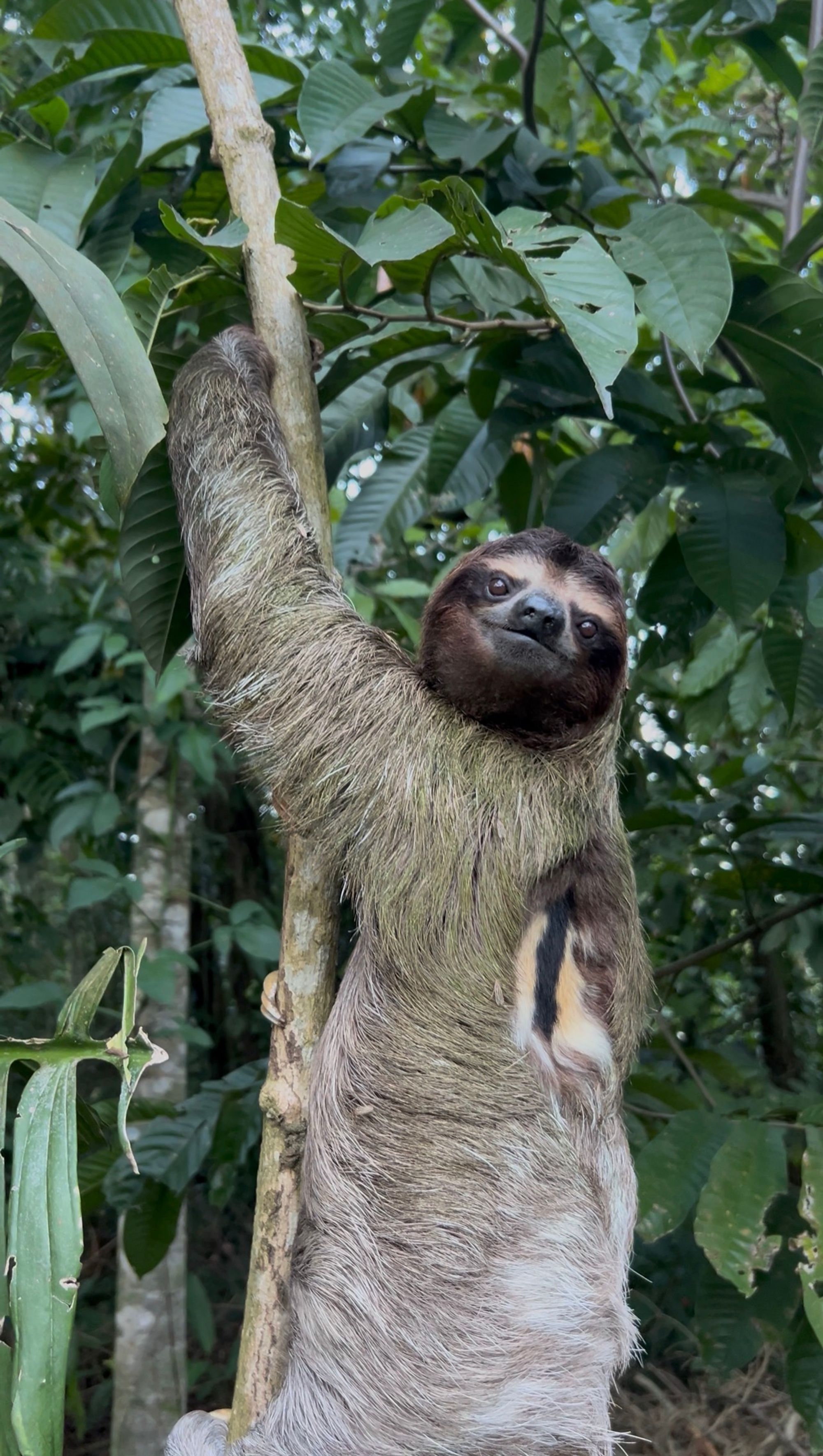
Restoring biodiversity does not always begin inside protected forests. Sometimes it begins by rebuilding ecological relationships within human spaces.
The first time I truly understood that human spaces could help restore biodiversity happened years ago in San José. I began planting native species inside a heavily urbanized environment surrounded almost entirely by concrete. What happened afterward felt almost surreal. Pollinators began arriving almost immediately. Butterflies, insects and other forms of life slowly started returning to a place where biodiversity had practically disappeared.
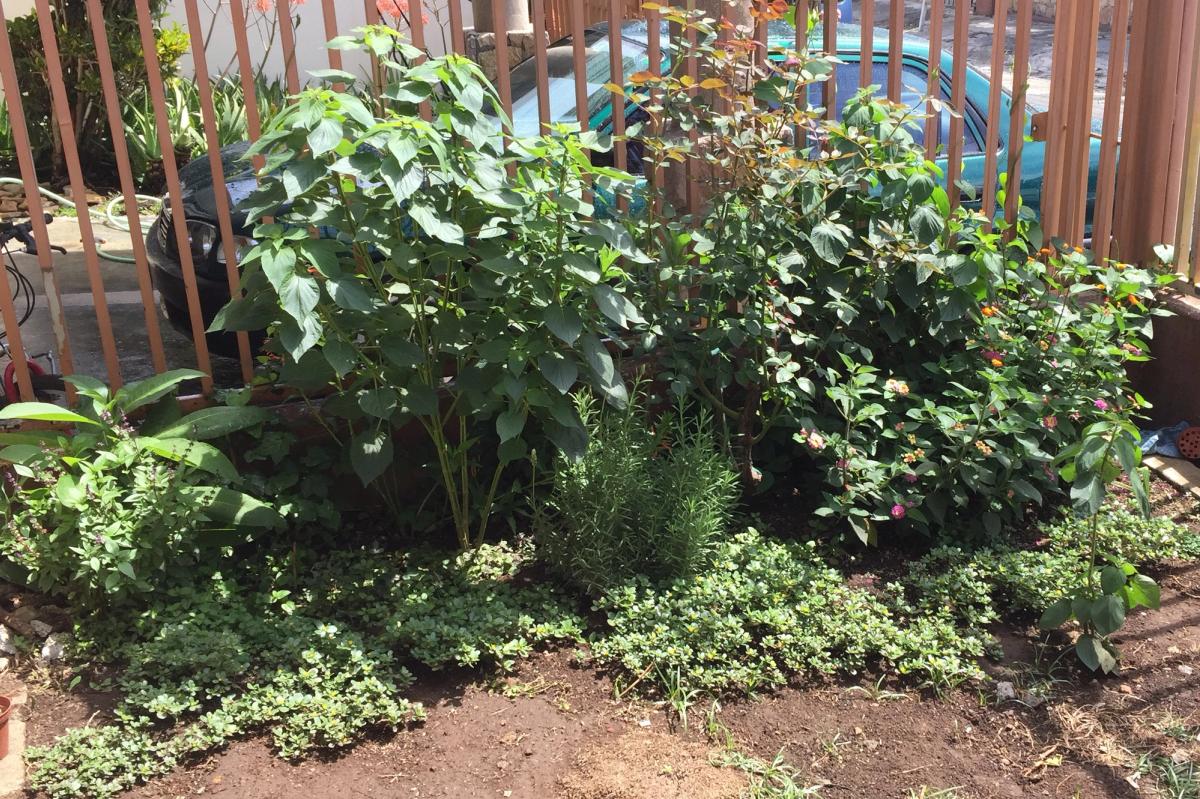
Since then, one of the things that has fascinated me most has been observing the extraordinary capacity native tropical plants have to adapt and regenerate life even under extremely difficult urban conditions. Pioneer species, in particular, constantly demonstrate this resilience.
Plants such as Asclepias curassavica, Cecropia species, Aristolochia grandiflora and Passiflora biflora are capable of colonizing tiny planters surrounded by concrete, polluted air and severe root limitations while still managing to attract insects, birds and complex ecological interactions almost immediately.
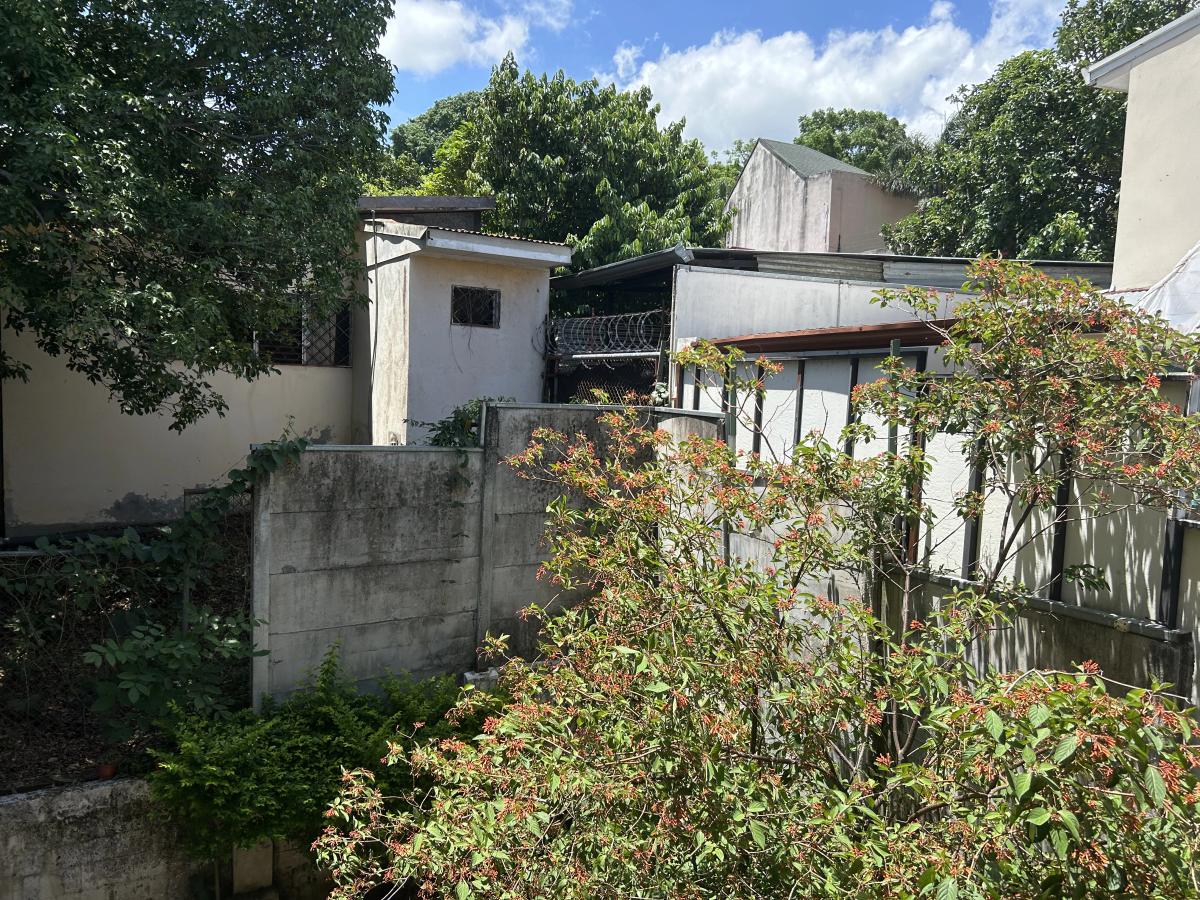
This happens because plants are not simply decorative organisms. They are the biological foundation that sustains life itself. Plants provide food, shelter, humidity regulation, protection, structure and ecological stability for countless organisms. Entire ecosystems organize themselves around vegetation.
Even human beings maintain an extraordinarily deep emotional and psychological relationship with plants. Scientific studies have repeatedly demonstrated their importance in reducing stress and improving overall well-being. You cannot properly design a zoological environment, for example, without understanding vegetation first, because animals evolved surrounded by plants and constantly interacting with them.
Through millions of years of evolution, plants themselves developed extraordinary recovery mechanisms that allow ecosystems to regenerate continuously. In the Caribbean, I witnessed trees being almost completely defoliated by insects only to recover rapidly once the first rains returned. What many people perceive as pests or ecological chaos often turns out to be part of a highly sophisticated natural balance operating at scales we barely understand.
Unfortunately, many attempts at creating “ecological gardens” still remain disconnected from this complexity. One common mistake is assuming that simply planting flowers for pollinators automatically creates an ecological landscape. In reality, ecology is not the study of isolated organisms.
Ecology is the study of relationships.
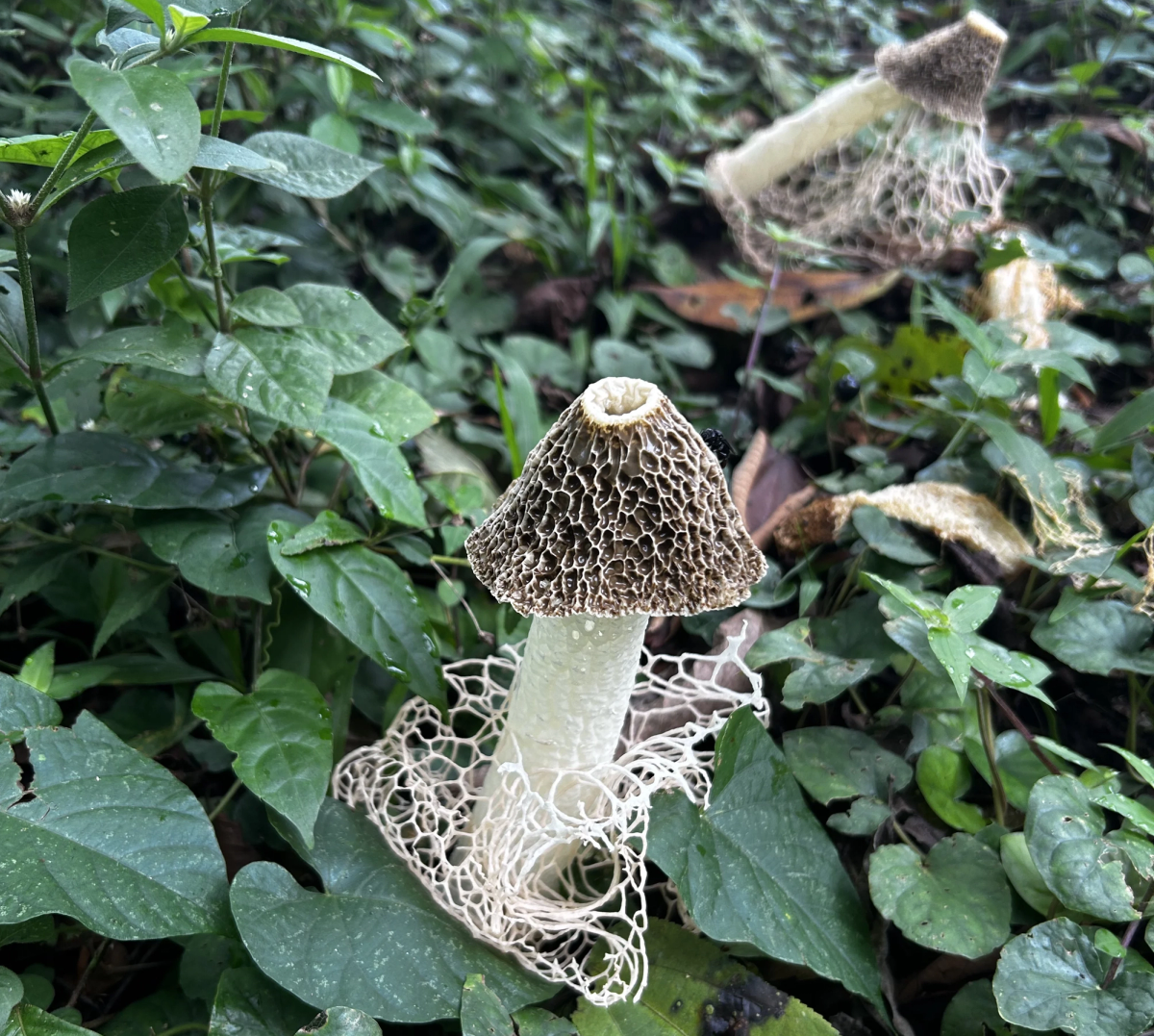
A truly ecological garden cannot be designed around a single species or simplified trend. It requires understanding the interactions between plants, insects, fungi, microorganisms, birds, mammals, climate and landscape dynamics as one integrated system.
Native plants play a critical role precisely because they sustain those relationships naturally. A single tree, shrub or herbaceous species can begin opening space for entire ecological processes to return. Cecropia species, for example, function as pioneer plants capable of facilitating the establishment of more complex vegetation, while species such as Hamelia patens attract birds and pollinators while helping restore ecological movement across fragmented landscapes.
Large Ficus trees eventually become entire ecosystems on their own.
As biodiversity returns, spaces begin transforming completely. Birds disperse seeds, insects restore pollination networks, organic matter accumulates, shade stabilizes humidity and new plants emerge spontaneously. Life begins attracting more life.
Over time, I have witnessed butterflies, frogs, lizards, birds, marsupials, monkeys, sloths, native bees and countless insects returning simply because the correct ecological conditions became available again.
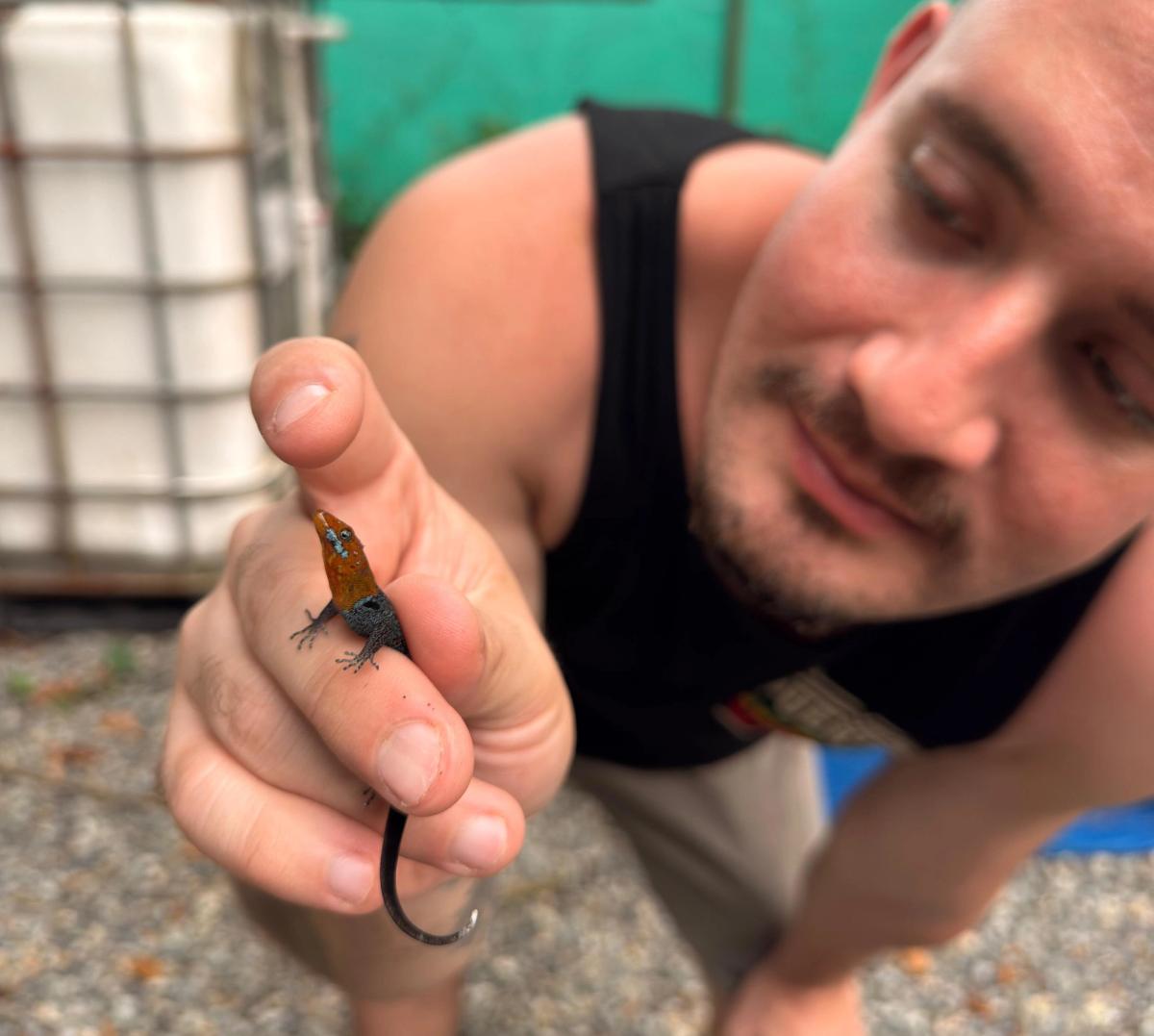
To me, restoring biodiversity inside cities is not simply about planting attractive vegetation. It means recovering the ecological relationships that urbanization disconnected in the first place. It means understanding landscapes deeply enough to reduce the impact of human activity while allowing biodiversity to coexist naturally alongside human spaces once again.
In many ways, Costa Rica already possesses the identity of a gigantic tropical garden. Perhaps the future of our cities, architecture and landscapes depends on finally understanding that biodiversity should not exist separated from human life, but integrated directly into it.